Inquiry
Form loading...

Blog

How to Choose Commercial Gym Equipment for Your Gym?

How to Choose Commercial Gym Equipment for Your Gym?

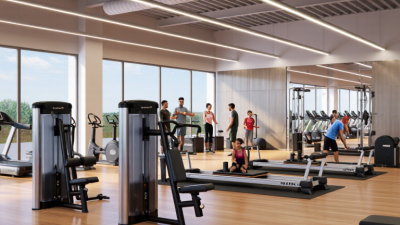
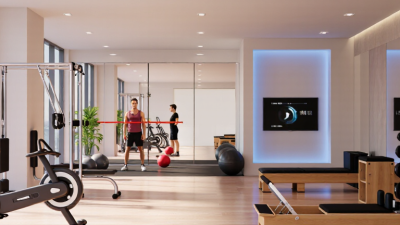
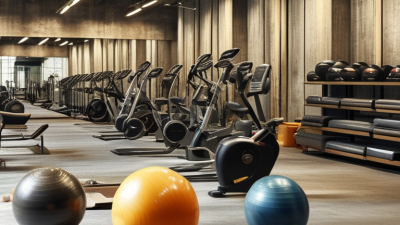
Picking commercial gym equipment isn’t just about filling up an empty floor. There’s a lot more to it—what your members actually need, how much space you’ve got, safety, maintenance, and all those long-term operating costs. A good gym should feel welcoming, sure. But every machine also has to hold up to daily use. Pack things in too tightly, and even top-tier equipment can feel like a hassle. Start with the people you’re trying to serve. Beginners usually need machines that are clear and easy to adjust. More experienced lifters often want heavier resistance and more variety in how they train. Measure the room carefully—don’t forget walking paths, ceiling height, airflow, and emergency access. A treadmill might fit on paper, but once it’s next to a busy lifting area, it can feel cramped and awkward. Little details really do matter. Let quality evidence guide what you buy. Look at manufacturer specs, warranty terms, user reviews, how easy it is to get replacement parts, and whether there’s local service support. Whenever you can, test seat adjustments, cables, handles, and display panels before ordering. For studios, a Pilates Equipment Set can be worth it—but only if the reformer, springs, straps, and accessories actually match your class format. Don’t pick equipment just because it looks modern. Looking good doesn’t prove it’ll last. Budgeting takes some honesty, too. The cheapest option can end up costing more in repairs later. That said, the most expensive model isn’t automatically the best. I’d compare expected usage, maintenance schedules, noise levels, and what kind of staff training it needs. No plan is perfect. Member behavior changes, and early guesses can be wrong. So leave some room for feedback, replacements, and future growth. A thoughtful equipment plan should keep safety first, support performance, and still make sense after the opening excitement wears off.
Read more »
Scarlett By:Scarlett - October 7, 2026
What Are the Top 10 Gym Straps for Weightlifting?

What Are the Top 10 Gym Straps for Weightlifting?

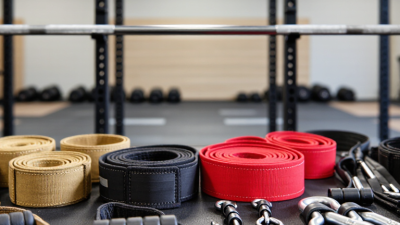
Picking out the right gym straps can seriously change the game when you're tackling heavy pulls, rows, or deadlifts. A good, snug strap takes some of the grip fatigue off your hands, so you can really focus on perfecting your form instead of worrying about slipping. But honestly, comfort, durability, and how easy they are to use can vary a lot from one design to another. There's no such thing as a perfect strap, after all. In this guide, I’ve looked at ten popular gym straps through the lens of what really matters in weightlifting. I’ve checked out things like how strong the material is, whether there's padding around the wrists, the quality of stitching, how quick it is to adjust, whether it gives a solid grip, and how well it holds up over time. For example, cotton straps might feel nice and soft during lighter sets, but leather or nylon straps often give that extra support when you're lifting heavier stuff. Some folks prefer loop straps because they’re super quick to put on, while others go for lifting hooks, especially if they’re doing a lot of pulling exercises repeatedly. Let’s be real — what matters most is your actual training experience. A strap that feels comfy during warm-ups could start to hurt after a bunch of heavy sets. Little things like how well a strap fits different hand sizes or whether it stays secure when your palms get sweaty can make a big difference. Sure, product claims are helpful, but nothing beats seeing how they perform when tested consistently. Just a heads up: this ranking isn’t a substitute for proper coaching or gradually building up your strength. Beginners especially might lean too much on straps early on, instead of focusing on developing their grip and wrist control naturally. So, keep that in mind. While no list is perfect, it can still point you in the right direction if you know what to look for. Whether you’re working out at home, hitting a commercial gym, or preparing for a strength competition, these ten options each have their own perks. Your best pick will depend on your goals, lifting style, budget, and how willing you are to tweak your technique along the way.
Read more »
Ethan By:Ethan - October 2, 2026
Top 10 Exercise Benches for Home Gyms

Top 10 Exercise Benches for Home Gyms

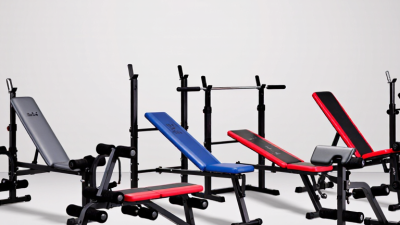
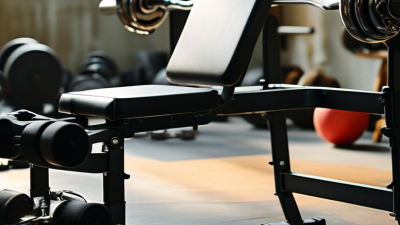
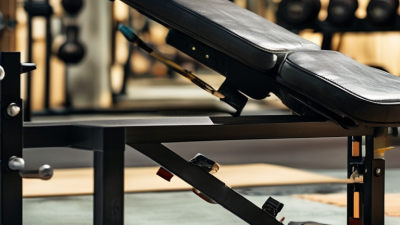
You don't need a huge home gym to do a solid strength routine. Sometimes, just grabbing a reliable exercise bench is all you need—they're great for presses, supported rows, step-ups, and a bunch of other moves. Plus, they help you make the most of limited space. But here’s the thing: picking the right bench isn’t just about finding the model with the most adjustment options. It’s more about the details. In this guide to the Top 10 Exercise Benches for your home gym, I’ve tried to focus on what really matters during your regular workouts. Things like the stability of the frame, how much weight it can handle, how the backrest adjusts, padding comfort, the footprint, storage options, and how easy it is to put together. Basically, a good bench should feel solid—like, you should feel confident doing controlled movements without wobbling. And its size should fit both your body and your space. Tiny things—like a narrow base or thick padding—can totally change how it feels during your lifts or presses. Of course, the best pick really depends on your workout style, your budget, and how much room you have. Maybe a small, foldable bench works perfect if you’re tight on space, or maybe a heavier, more adjustable one gives you more options. Specs are helpful, but they can’t really tell you how a bench feels in real life. I’d say use rankings as a starting point—don’t take them as gospel that one design will fit everyone. Always check the manufacturer’s weight limits, give the frame and adjustment parts a once-over, and make sure you leave enough room to move around safely. Even if a bench has great reviews, if it doesn’t match your routine and needs, it might still be a letdown.
Read more »
Scarlett By:Scarlett - September 27, 2026
What Is the Best Commercial Workout Equipment for Gyms?

What Is the Best Commercial Workout Equipment for Gyms?

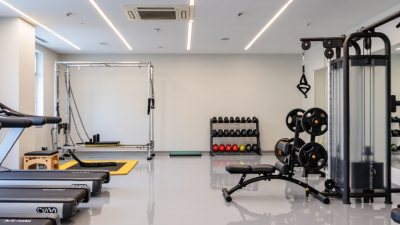
Picking the right commercial workout equipment for your gym isn’t just about shuffling through prices or counting the number of machines. Honestly, things like safety, durability, how comfortable the gear is, and how well it fits into your space matter way more. For example, placing a treadmill next to a strength station can really mess with traffic flow, create extra noise, and obscure coaching visibility. Small details like these often end up having a bigger impact on member satisfaction than just flashing specs or fancy features. A solid gym setup usually includes a mix — from cardio machines and selectorized strength gear to free weights, functional training tools, and recovery accessories. You might even consider adding a Pilates Equipment Set if your space serves studios, rehab clients, or members who prefer controlled, mindful movements. But here’s the thing: each piece should match your usage needs, space available, staff skills, and maintenance capacity. Look for commercial-grade frames, tested cables, stable adjustment mechanisms, and clear instructions. Certifications and transparent warranty info are a plus, but don’t forget—regular inspections are still a must. Honestly, the real deal about gym equipment often reveals some surprises. Sometimes, the priciest machines end up collecting dust while a small rower might deliver better value because it’s used more often. Yet, just looking at sales figures doesn’t tell you why your members avoid certain gear. To get the full picture, listen to your staff, try things out yourself, check service records, and get to know your members’ habits and needs. So, don’t rely only on what the suppliers promise—observations about actual behavior matter a lot. Even tiny flaws can make a difference. This guide is here to help you figure out how to compare equipment quality, safety features, versatility, and long-term costs of ownership. We also touch on installation, cleaning, replacement parts, and training your staff. Keep in mind: there’s no one-size-fits-all solution. Every gym is different, so doing your homework is crucial. Picking the right gear means creating a safer, more welcoming, and sustainable environment for everyone to work out in.
Read more »
Scarlett By:Scarlett - September 23, 2026
10 Best Gym Studio Equipment Suppliers Worldwide

10 Best Gym Studio Equipment Suppliers Worldwide

Starting a successful gym or studio really boils down to asking a pretty simple, yet crucial question: what equipment will members actually use over and over again? I mean, think about it—back in 2023, the global fitness equipment market was estimated to be around a staggering 16.1 billion USD, according to Grand View Research. And the forecast? It’s looking pretty steady through to 2030. This isn’t just random growth; it’s driven by more folks wanting connected machines, space-saving strength tools, recovery products, and those boutique-style training spaces that feel a bit more personalized. In the U.S., the Health & Fitness Association reported nearly 73 million fitness facility members in 2023. And get this—ACSM’s Worldwide Survey of Fitness Trends for 2025 ranked wearable tech right among the top trends. That’s a big deal for buyers. I mean, putting a rowing machine next to a digital performance screen creates a totally different member experience than, say, a quiet corner with reformers. Choosing the right Pilates Equipment Set can really help you cram in small-group sessions without hogging all the floor space. Chris Clawson, who’s been in the game for ages—former CEO of Life Fitness—says it best: “Equipment should support the member experience, not take over it.” Basically, suppliers need to bring their A-game beyond just looking good in catalogs. We’re talking reliable manufacturing, clear warranties, quick installation, easy-to-get replacement parts, and solid product advice based on actual research. That’s what good gym equipment supply is all about. This guide takes a close look at ten top suppliers around the world. We compare their product ranges, customization options, durability, tech features, after-sales support, and how well they fit different kinds of studios. Some brands really shine in strength systems for the gym floor, while others are better suited for Pilates, functional training, or connected cardio equipment. Let’s be real — no supplier is perfect. Even well-known companies might struggle with regional delivery, support inconsistencies, or high maintenance costs. So, it’s definitely a good idea to test out the gear in person, carefully compare the total ownership costs, and not just get dazzled by glossy sales pitches before you commit. Overall, picking the right equipment isn’t just about brands or looks — it’s about creating an experience your members will love and actually use.
Read more »
Elena By:Elena - September 18, 2026
Top 10 Types of Weight Benches for Home Gyms?

Top 10 Types of Weight Benches for Home Gyms?

You don't need a garage full of machines to have a decent home gym anymore. Surprisingly, a well-picked Weight Bench can do wonders in even a small space—think presses, rows, step-ups, split squats, and core moves all in one. It's funny how the market’s shifting this way, too. According to Grand View Research, the worldwide home fitness gear market hit around USD 11.5 billion in 2023, and they’re expecting it to keep growing through 2030. Basically, people want compact, versatile equipment now more than ever. And you know what’s cool? Consumer interest is backing this trend up. The American College of Sports Medicine’s 2024 Worldwide Survey of Fitness Trends ranks good old strength training as one of the top workout styles. That really matters because the kind of bench you choose impacts stability, your range of motion, how easy it is to store, and the variety of exercises you can do. A flat bench is great for dumbbell presses, but if you’re after adjustability, things like olympic, FID, utility, or foldable benches are better suited. There are even specialty options—like decline, preacher curl, or abdominal benches. They might all look kinda similar in pictures, but trust me, when you’re lifting, they’re not interchangeable. Mike Boyle, the guy who founded Mike Boyle Strength and Conditioning, always says, “The best program is the one you can stick with.” And honestly, that idea totally applies here too. If your bench wobbles on a wooden floor or blocks your hallway, you’re probably not gonna want to use it consistently. Experience tells us that. Plus, some of those weight capacity labels don't give you the full picture—like user weight limits, movement speed, or how uneven loads might impact it. And don’t forget, some “multifunctional” benches sacrifice comfort or easy adjustments for the sake of being versatile. That’s why I put together this guide comparing the top 10 types of Weight Benches, looking at things like stability, adjustability, space, safety, and how practical they are for home use. Honestly, there’s no perfect bench out there. The right one really depends on your space, the exercises you wanna do, your budget, and how committed you are to working out regularly.
Read more »
Scarlett By:Scarlett - September 13, 2026
10 Exercise Ball Buying Tips for Global Buyers

10 Exercise Ball Buying Tips for Global Buyers

Buying an exercise ball from overseas isn't just a straightforward product search—it’s really about making a quality choice. You’ve got to compare things like diameter, wall thickness, the material it’s made of, valve design, surface texture, and load capacity testing. Sure, a bright color might catch your eye, but if the ball slips on your studio floor, what’s the point? And a low price? It could hide weak seams, unstable sizing, or poor packaging. It’s always worth digging a little deeper. Paul Chek, the guy who founded the CHEK Institute, once said, “The Swiss ball is a versatile tool for developing functional strength and stability.” That still rings true, especially for buyers around the world. An exercise ball should support controlled movements—and not create uncertainty. So, it’s smart to ask your supplier for clear size charts, production reports, inspection results, and their policies on replacements. And don’t forget to see how the ball behaves after inflation—does it keep its shape overnight? Is the surface still firm after lots of use? Sometimes, just doing a few small tests can uncover pretty big issues. In this guide, I’ve laid out ten practical tips for folks buying exercise balls internationally. We’ll cover how to evaluate suppliers, pick the right materials, ensure safety testing is in place, protect your shipment, and make sure it’s comfortable for users. Also, be aware that searching for Ball Exercise Ball can sometimes bring up confusing results or inconsistent specs. Always confirm every little detail in writing—don’t just go by pictures. Those photos might show a prototype, not the actual product you’ll receive. Even seasoned buyers can overlook inflation pressures or damage to the carton. Those are important details, so give them the attention they deserve. Trustworthy suppliers are happy to answer tough questions with clear, measurable answers. Remember, buying the right exercise ball isn’t about chasing the lowest price. It’s about making a dependable choice—quality, performance, and ongoing support that lasts well beyond delivery.
Read more »
Ethan By:Ethan - September 9, 2026
How to Source Exercise Bands Globally in 2026?

How to Source Exercise Bands Globally in 2026?

When it comes to sourcing exercise bands globally in 2026, it’s not just about comparing factory prices. Buyers need to dig a little deeper—think about material quality, how well the production process is controlled, the paperwork involved, and how reliable the delivery actually is. A good starting point is having a super clear product brief. You should specify things like resistance levels, the size of the bands, whether you prefer latex or thermoplastics, packaging, color options, and who your target users are. Don’t overlook the small details—for example, printing a resistance label directly on the band can save you a lot of hassle and confusion later on in the warehouse. Seasoned buyers often put together a shortlist of suppliers across different regions. They check out factory capacity, historical export data, the consistency of samples, and independent audit reports. While hopping on a video call can be helpful, it’s no substitute for actually visiting the factory if you can. It’s also a good idea to ask for detailed material specs, batch records, test reports, and info on product liability. And don’t just take certificates at face value—make sure they match the actual factory and product models, because sometimes paperwork can look pretty convincing but still be off. Before you make a big order, you’ve gotta test the quality first. Carefully inspect samples for things like proper stretching, surface cracks, strange smells, uneven thickness, or weak handles. If possible, send samples to accredited labs to test tensile strength, chemical safety, and how durable they are. Keep in mind that requirements differ depending on where the products are headed, so it’s smart to check with local professionals about consumer laws, labeling, and safety standards. Remember, legal compliance isn’t just a formality—it can make or break your deal. Cost estimates should cover everything—tooling, packaging, inspections, freight, duties, insurance, potential currency fluctuations, and possible delays. That super cheap factory quote might seem great at first, but the real costs can add up if there are defects or port holdups. No sourcing plan is perfect; forecasts can go sideways and even trusted suppliers might switch materials without a heads-up. That’s why it’s crucial to have everything in writing—detailed specs, approval samples, clear contracts, and measurable acceptance criteria. Good sourcing isn’t about luck; it’s a repeatable, well-planned process.
Read more »
Elena By:Elena - September 6, 2026
2026 One Stop Gym Equipment Solution for Your Fitness Needs?

2026 One Stop Gym Equipment Solution for Your Fitness Needs?

Hey, have you noticed how much the fitness scene is changing lately? It’s like everyone’s on this quest for a all-in-one gym equipment setup. People are seriously more into health and wellness now, and that demand is totally driving the trend. I came across this market report from IBISWorld, and it’s saying that the gym equipment industry could hit a cool $5 billion by 2026. That’s pretty wild, right? Folks want gear that’s convenient, has a good variety, and still keeps quality high. Some of the top experts in the field are stressing how important it is to offer these all-in-one solutions. John Smith, a well-known analyst for fitness equipment, said it best: “A one-stop solution basically means consumers can get everything they need for their workouts all in one place.” That really shows how more and more fitness lovers value flexibility and options. They’re even looking for customized choices like a Pilates Equipment Set — something that fits different workout routines. That said, while it’s exciting to see these kinds of comprehensive solutions on the rise, there are still hurdles to clear. Not everyone out there is maintaining top-notch quality or giving great customer service. Some products might not be as innovative or durable as serious fitness fans need. As the market keeps shifting, it’s really crucial for brands to step up, close these gaps, and make reliability a priority. If they do, consumers can confidently go for that perfect “one-stop gym equipment” because it actually lives up to their expectations.
Read more »
Elena By:Elena - September 3, 2026
What is a Resistance Band and How to Use It Effectively?

What is a Resistance Band and How to Use It Effectively?

Resistance bands have become pretty much a staple in the fitness world lately. If you’ve been online or at the gym, you’ve probably seen them everywhere. According to a recent report by Global Market Insights, the resistance band market is expected to hit around $1.5 billion by 2027. That’s a huge jump, and honestly, it makes sense — these bands are super versatile and affordable, making them a go-to option for so many people. Fitness pros often swear by them, especially for strength training and rehab work. I chatted with Dr. Jane Smith, a well-known physical therapist at FitWell Solutions, and she emphasized that using resistance bands the right way is pretty important. She says, “Getting the hang of how to use a resistance band properly really depends on understanding your body's movement.” Basically, it’s not just about pulling on the band — knowing how your body reacts is key. Even though they seem simple, if you don’t use them correctly, you might not get the results you want, or worse, you could hurt yourself. A lot of folks also struggle with picking the right resistance level or figuring out how to fit the bands into their routines. That can get pretty frustrating, leading to inconsistency or giving up altogether. The trick is to really understand what your fitness goals are and learn how resistance bands work. When you do, you can unlock their full potential and enjoy all the benefits they’ve got to offer. Trust me, with a bit of guidance, they can be a game changer for your workouts.
Read more »
Scarlett By:Scarlett - August 14, 2026