- Home
- Products
- Resources
- About Us
- News
- Contact Us
Inquiry
Form loading...
In the contemporary landscape of sports medicine and physical therapy, the integration of structured kinetic training equipment has transitioned from basic mechanical aids to biomechanically optimized systems. The global rehabilitation equipment market is experiencing a significant surge, driven by an aging population, an increase in sports-related injuries, and a growing emphasis on non-invasive, active recovery methods. Among these innovations, the Push Up Board for Physical Therapy and Rehab stands out as a critical tool for upper-body kinetic chain restoration.
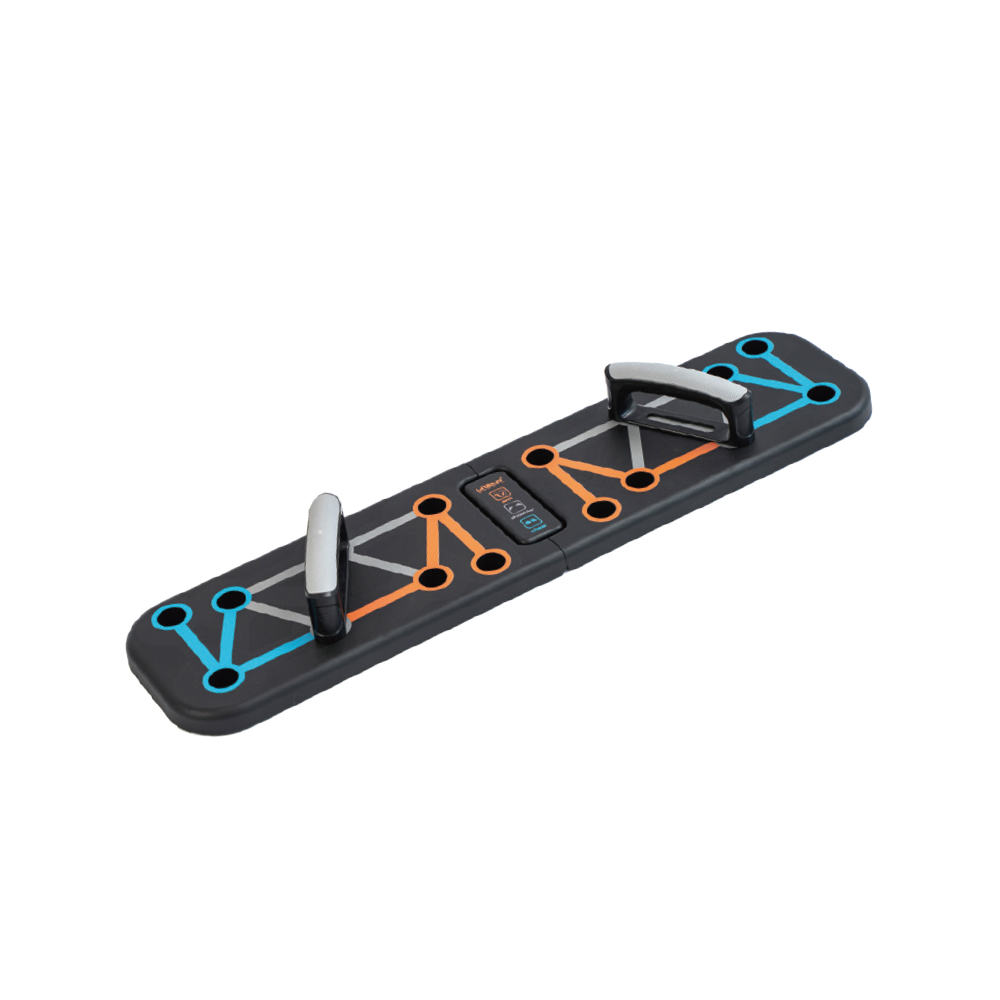
Historically, push-ups were viewed strictly as a strength-building exercise, often avoided in early-to-mid stage rehabilitation due to the uncontrolled stresses they place on the wrist joints, glenohumeral complex, and rotator cuffs. However, modern industrial design has revolutionized this standard movement. By utilizing color-coded, multi-angle insertion channels, therapeutic push-up boards allow practitioners to isolate and target specific muscle groups—such as the pectorals, deltoids, triceps, and latissimus dorsi—while maintaining a structurally sound, neutral wrist position. This structural control reduces shear forces on the carpal tunnel and allows for progressive loading under strict clinical supervision.
Clinical Insight: The transition from standard floor push-ups to guided push-up boards represents a paradigm shift in orthopedic physical therapy, offering customizable torque angles that match the natural joint kinematics of recovering patients.
From a manufacturing perspective, the demand for medical-grade, slip-resistant, and high-load-bearing plastics has dictated new production standards. Leading manufacturers are now employing high-strength Acrylonitrile Butadiene Styrene (ABS) engineering plastics coupled with thermoplastic elastomer (TPE) overmolded handles. These materials ensure that the equipment can withstand rigorous sanitization protocols common in clinical environments while offering the tactile feedback necessary for patients with compromised grip strength.
The therapeutic utility of a push-up board lies in its ability to enforce strict biomechanical alignment. Standard push-ups require significant wrist hyperextension (often exceeding 90 degrees), which can compress the median nerve and exacerbate conditions like carpal tunnel syndrome or wrist tendonitis. By utilizing elevated, slip-resistant handles that insert directly into the board, the patient's wrist remains in a neutral, load-bearing alignment. This alignment shifts the force transmission directly up the radius and ulna, stabilizing the elbow joint and allowing the shoulder complex to engage naturally.
Post-surgical rotator cuff patients or those recovering from subacromial impingement syndrome require highly controlled movement paths. The color-coded channels on the push-up board allow physical therapists to prescribe specific handle placements that minimize internal rotation of the humerus. For instance, configuring the handles to target the pectorals without over-activating the anterior deltoids helps prevent the forward humeral shear that often causes impingement pain. Progressive scapular tracking exercises can be performed by adjusting the angle of push-up boards, transitioning from wall-supported angles to incline angles, and eventually to flat floor positions.
Following tendon transfers, breast reconstruction surgery, or localized muscular atrophy, targeted reconditioning is essential. The push-up board’s color system guides the patient through specific hand positions. The green lines focus directly on the triceps brachii, allowing for a close-grip push-up variation that limits shoulder abduction. Conversely, the blue lines widen the grip to engage the pectoralis major and minor, distributing the load across the chest wall. This targeted activation ensures that compensatory movement patterns—where healthy muscle groups take over the load from recovering ones—are minimized.
Closed kinetic chain exercises, where the hands remain in a fixed position on a stable surface, are highly valued in physical therapy for their ability to co-contract opposing muscle groups. The push-up board serves as an exceptional platform for CKC training. It enhances joint position sense (proprioception) by providing a stable, unyielding base. As patients progress, therapists can introduce dynamic stability elements, such as placing the board on a balance pad or foam roller, to challenge the deep stabilizing muscles of the shoulder girdle and core.
Established in 2004 at Nantong, LIVEUP SPORTS is a leading manufacturer and supplier of fitness&sports products in China. Centered on the development and design of high-level training equipment, our company is focused on three main categories, including home&personal fitness products, commercial training equipment and specific functional items.
We support fast delivery without MOQ for products under our brands, meanwhile we also can accept customer orders of OEM&ODM.Nowadays we are serving 1000+ customers in 150+ different countries all over the world, and we have agents in more than 40 countries such as France, Germany, Indonesia, etc. These cooperation have also confirmed the excellent quality of our products! We sincerely invite more interested distributors, dealers, and partners to join us. Please do not hesitate to contact us if you are interested.

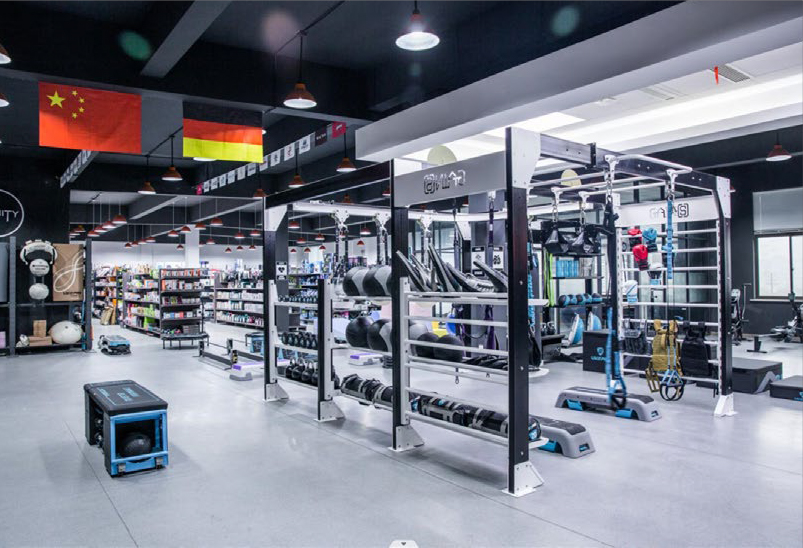

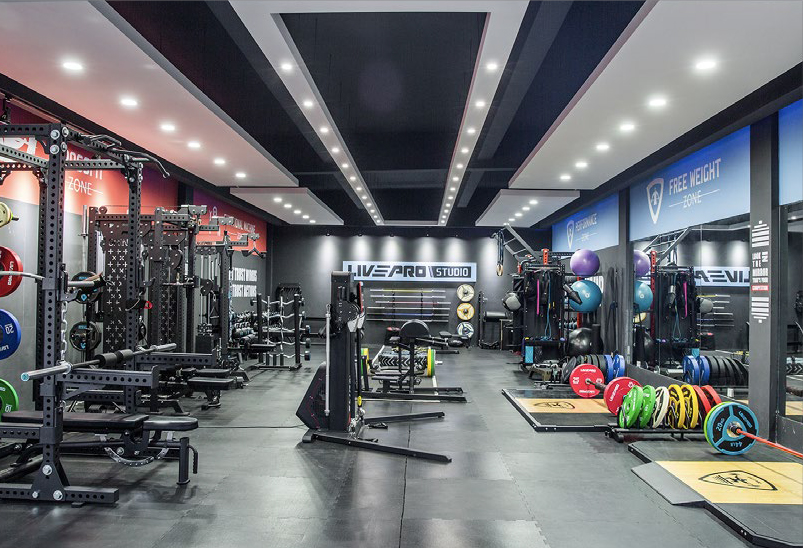

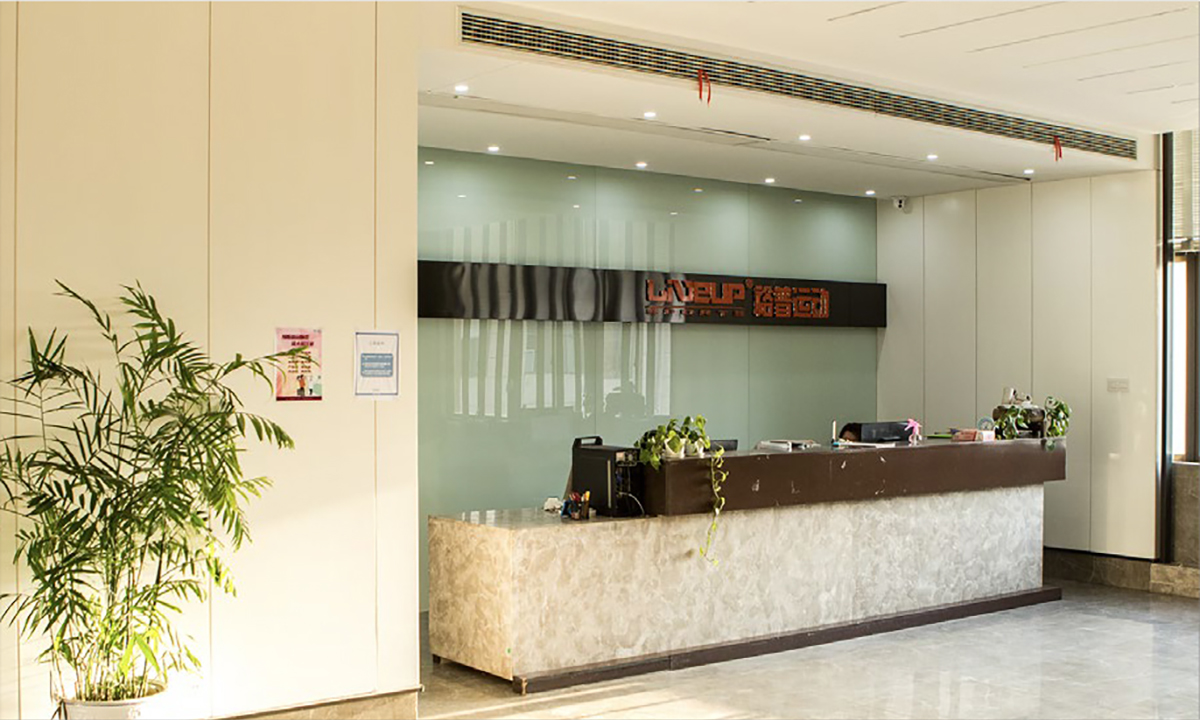

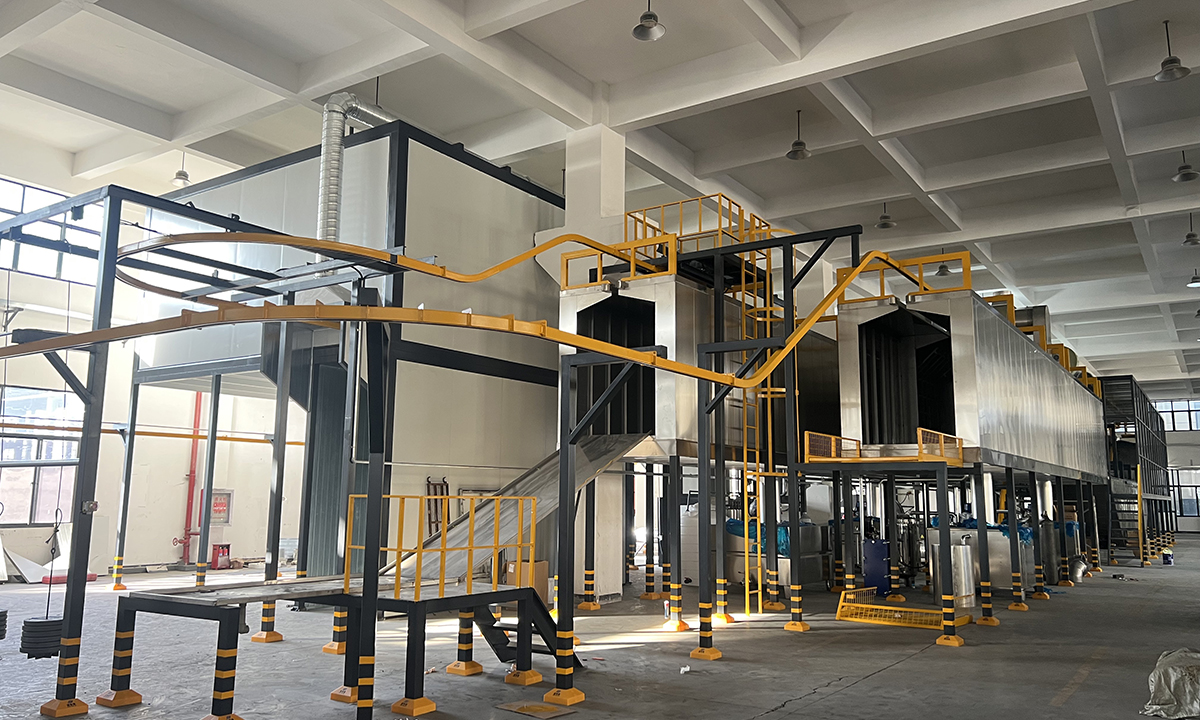
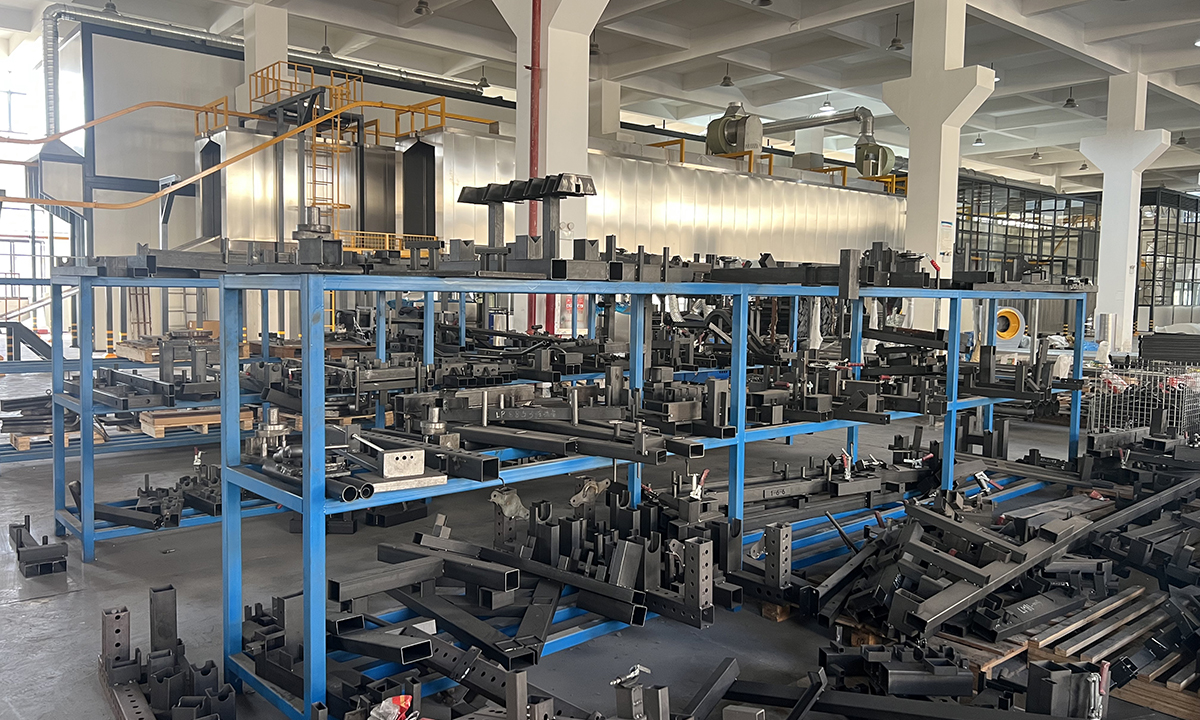
As a solution provider for all fitness and sports consumers, we apply professional knowledge into the program and product development, and we are constantly strengthening our ability to design and invent products.

OEM&ODM accepted

Feedback within 24 hours

Free drawing design

After-sales service guarantee

One stop purchase service
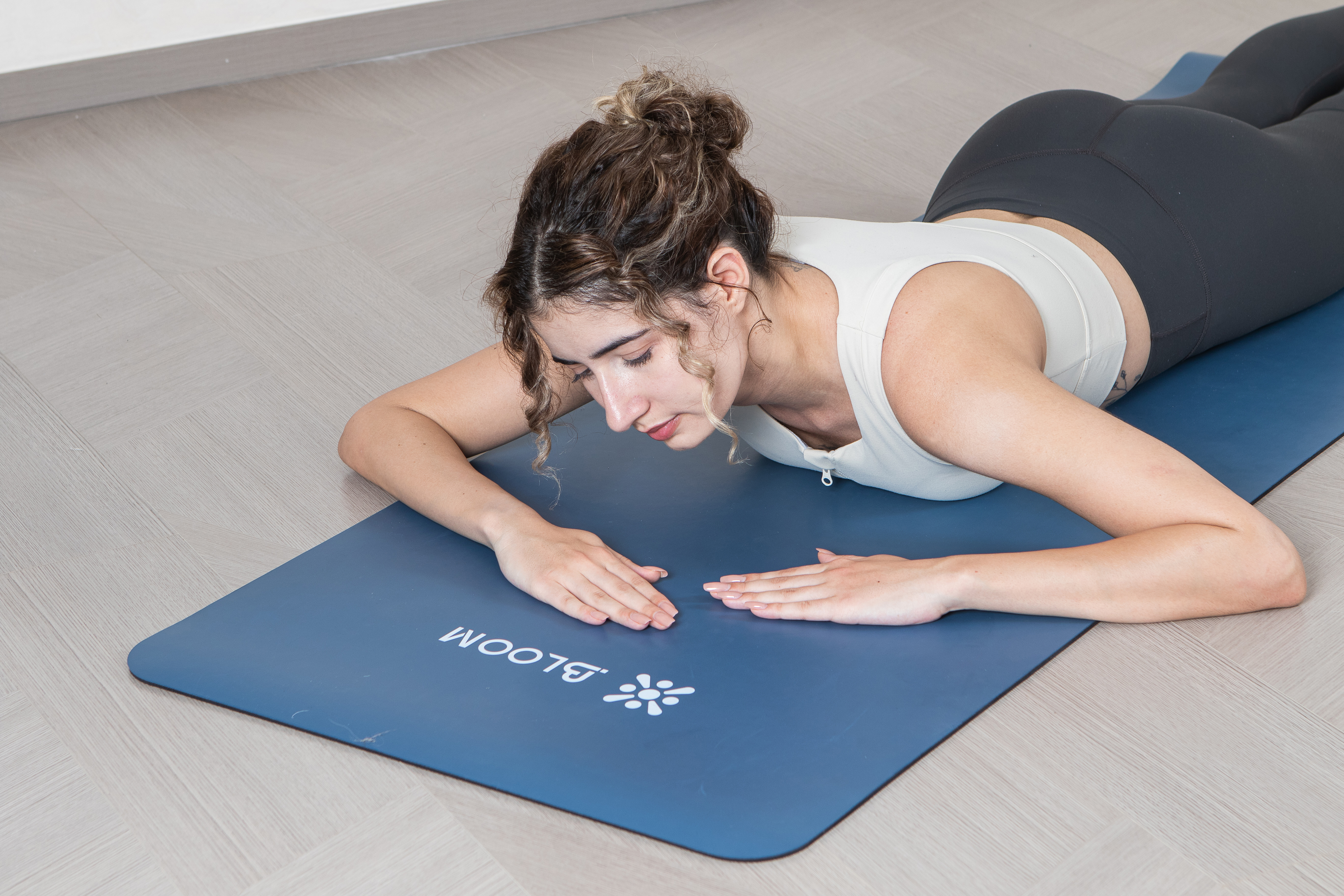
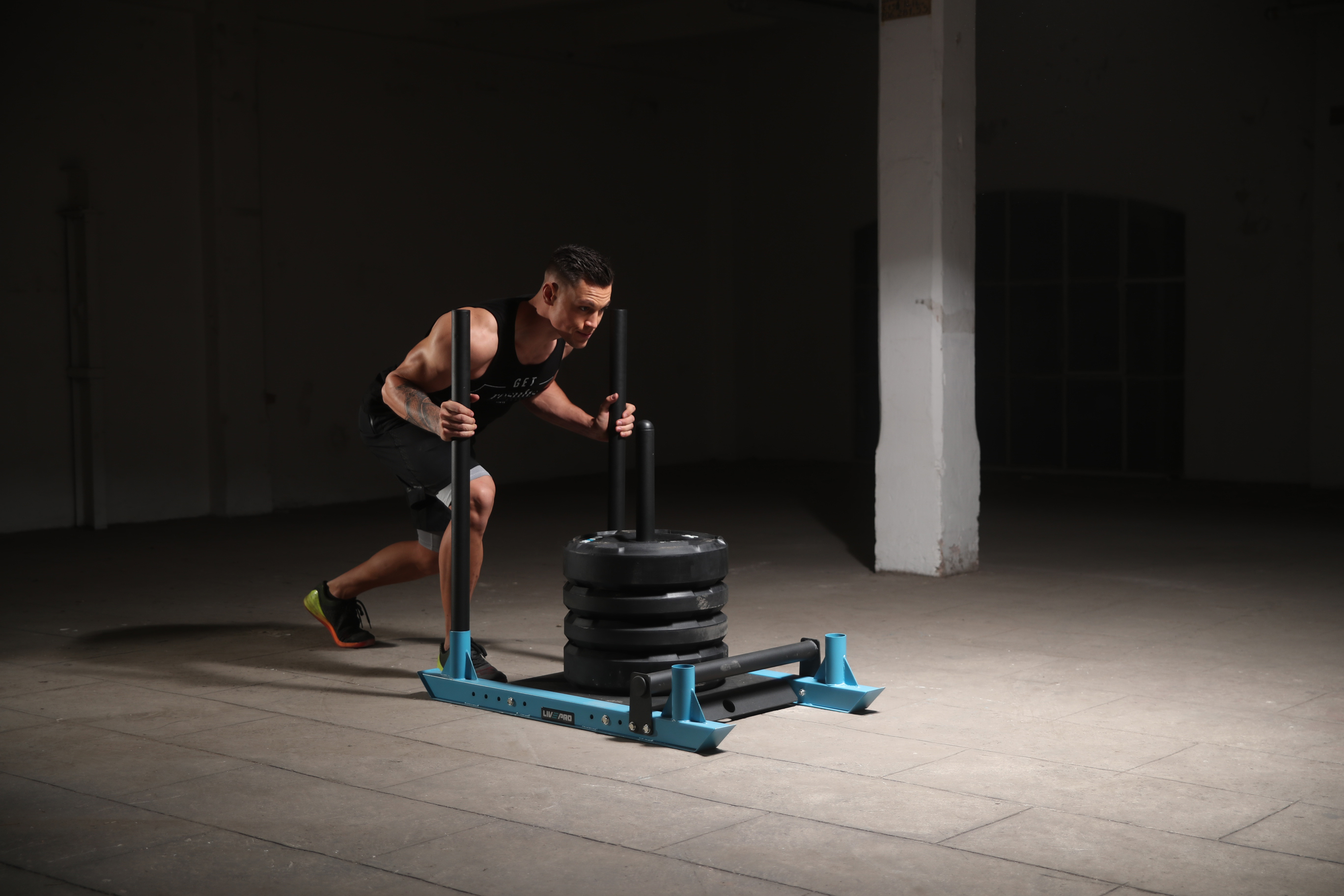
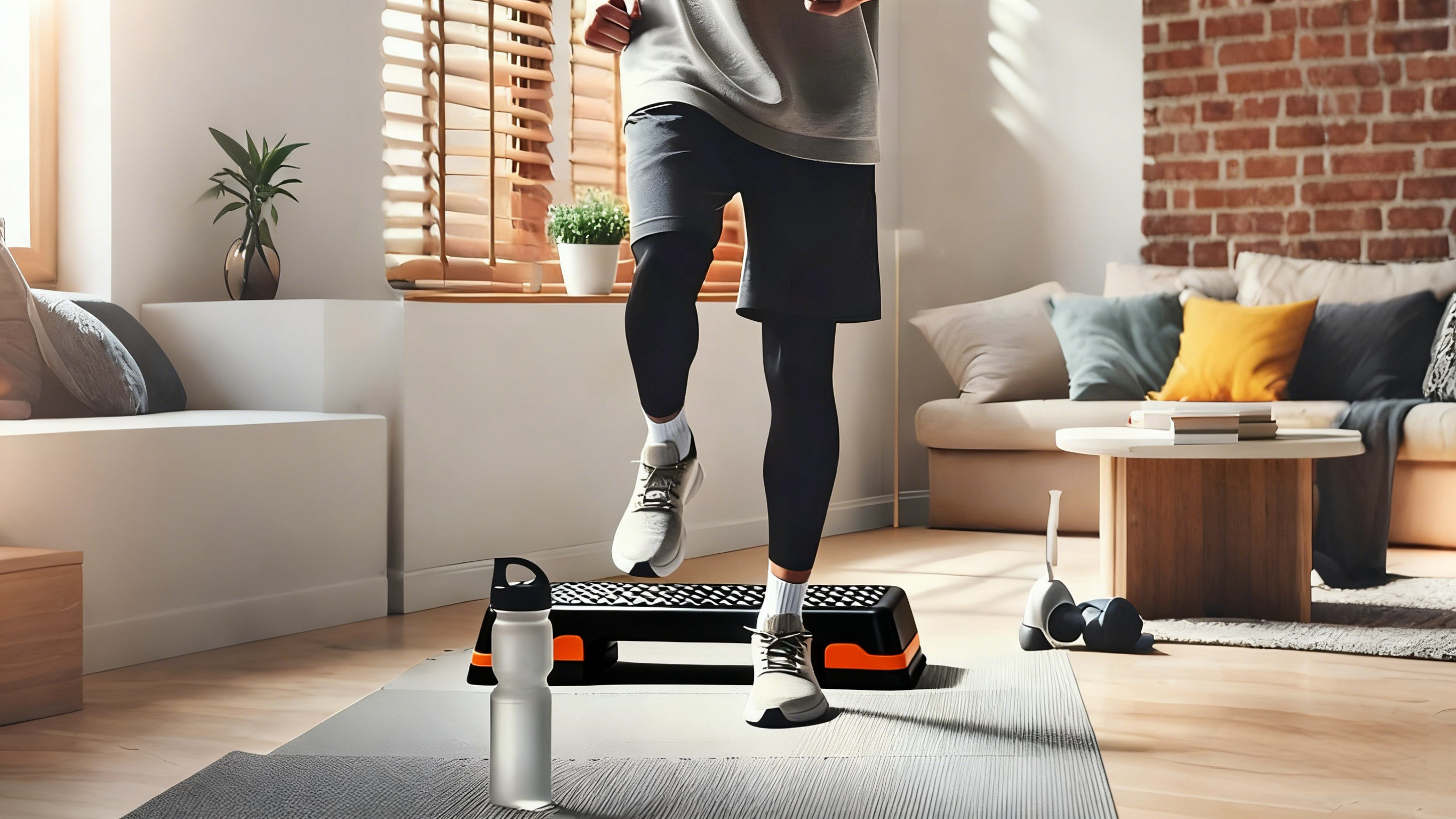



The commercial landscape for physical therapy and rehabilitation gear is undergoing rapid expansion. Healthcare providers, private clinics, and rehabilitation franchises are shifting their procurement strategies toward multi-functional, durable, and space-efficient fitness systems. The Push Up Board for Physical Therapy and Rehab fits perfectly into this paradigm. By consolidating multiple upper-body exercises into a single, compact device, clinics can maximize their floor space while providing patients with highly structured workout regimens.
In B2B channels, customization and safety certification are the primary drivers of purchase decisions. Large fitness distributors and rehabilitation chains prioritize equipment that meets international standards, such as ISO 9001 and CE certifications. Furthermore, the ability to customize color coding, incorporate digital trackers, and apply custom branding (OEM/ODM services) is vital for distributors looking to establish a unique market presence. As home-based telerehabilitation continues to grow post-pandemic, physical therapists are increasingly prescribing these boards for home use, creating a massive retail-to-clinical crossover market.
B2B Market Trend: The rise of remote patient monitoring (RPM) is driving the development of smart push-up boards equipped with Bluetooth sensors to track repetition speed, depth, and muscular balance, feeding data directly to the therapist's portal.
Moreover, bulk supply chains have optimized packaging and logistics to support high-volume distribution. Flat-pack designs and modular handle attachments minimize shipping volumes, reducing carbon footprints and lowering landed costs for international buyers. As a result, the integration of push-up boards in clinical packages has become standard practice for global medical supply distributors.
Tracing the milestones of innovation, quality, and global expansion since 2004.
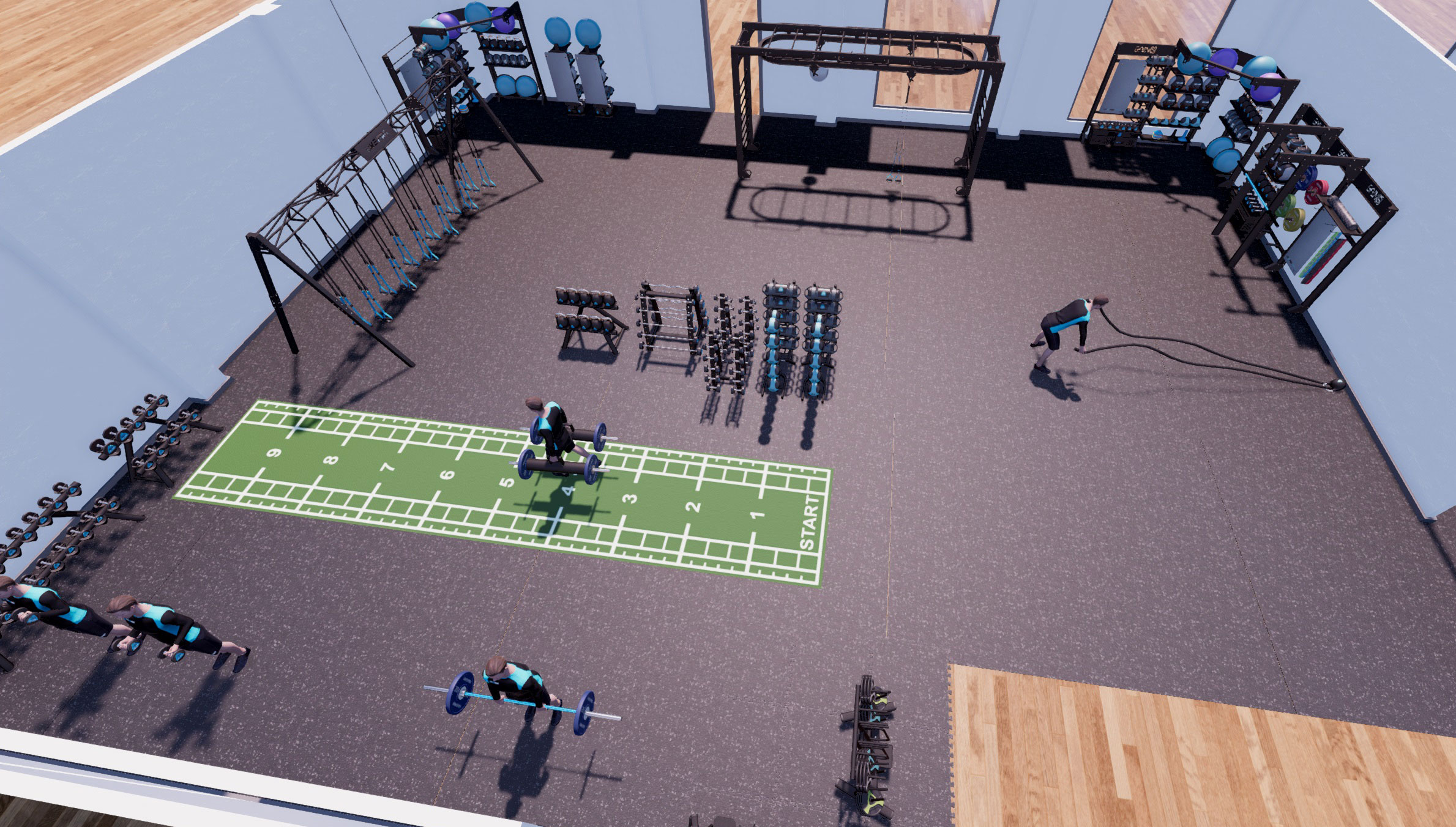
We are able to present our solutions to our customers very quickly and clearly in 3D thanks to the cooperation with a Gym designer software. It enables the equipment to be deposited directly at the appropriate position in the planned room and to be visibly displayed on a scale of 1:1. Any changes can be made with only a few steps, the article and its position, the colour of the equipment etc. The perfect tool for the optimal planning of your newly built rehab studio or clinical conditioning facility.
The future of physical therapy tools lies in connectivity and smart diagnostics. The next generation of push-up boards is integrating thin-film force sensors beneath each handle slot. These sensors communicate directly with clinical software to analyze lateral force distribution. If a patient recovering from a left rotator cuff tear exhibits a 70/30 weight bias toward the right side, the software alerts the therapist instantly, allowing for real-time form correction. This level of biodynamic feedback ensures that patients rebuild balanced, symmetrical kinetic structures.
Furthermore, machine learning algorithms are beginning to play a role in automated rehabilitation progression. By assessing a patient's velocity profile, range of motion, and heart rate variability during push-up protocols, AI-driven platforms can automatically recommend changes in handle configurations—such as shifting from a wide pectoral focus to a narrower triceps focus—to optimize muscle recovery without overtraining. At LIVEUP SPORTS, we are actively researching these smart integrations, ensuring our global partners remain at the absolute vanguard of sports science and physical rehabilitation technology.
Leading innovation Liveup is engaged in the development, design, manufacturing and marketing of sporting goods and fitness equipment for OEM/ODM and international distribution. Our fast business growth and continuous progress in new product development have made us one of the world's leading innovators of related products.
Liveup artwork engineers put ideas into practice. Using the latest software, design concepts become reality right here.
Liveup marketing & sales team understand your requests: product recommendations, reliable quality, durable products, competitive price, improved stock turns, real after sales service....... Etc.
Output capacity/Current factory audit status: Monthly capacities 300/40’ Containers Yellow status by Wal-Mart ES Audit & CTPAT Passed Audit by Carrefour Tesco & Argos Passed Quality / ES audit by ITS / SGS / BV / BSC