Picking the right Meditation Mat can really make a difference in how your practice feels. Honestly, with so many options out there, it can get pretty overwhelming trying to choose the perfect one. A good meditation mat should fit your personal needs—whether you're just starting out or you've been at it for a while. Materials are important, too—go for quality stuff like natural rubber or organic cotton when you can.
And let’s not forget, comfort is key. If you wanna cushion yourself, a thicker mat might be the way to go. But if you’re after more stability, a thinner one might suit you better. Size matters as well—make sure it’s big enough so you can stretch out comfortably without feeling cramped. Oh, and if you’re planning to practice in different places, think about portability. You don’t wanna be lugging around something too heavy or bulky.
Your style counts, too. Some folks love vibrant colors or funky patterns, while others prefer keeping it simple. The truth is, the best meditation mat is the one that really speaks to you. It should inspire you to relax, reflect, and grow. So, take your time, explore your options, trust your gut and find what truly helps you on your meditation journey.
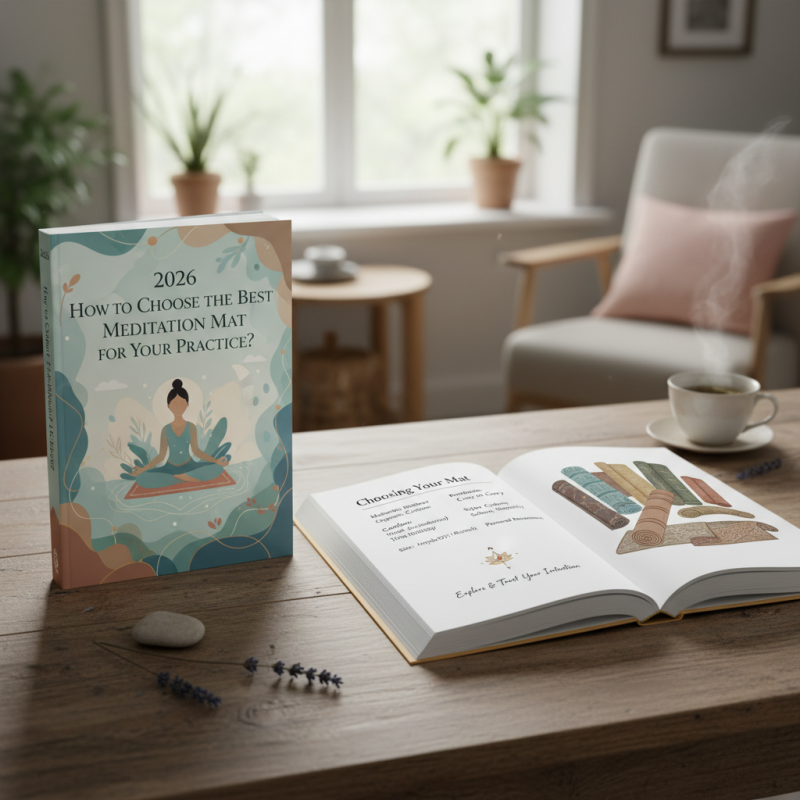
Understanding the Importance of a Meditation Mat in Practice
Meditation mats play a crucial role in enhancing your practice. A good mat provides comfort and stability. Research shows that a dedicated space for meditation can increase consistency by up to 75%. This is vital for developing a lasting habit. Many practitioners overlook their choice of mats. Yet, the right mat can greatly influence focus and relaxation.
Various thickness levels are available, catering to individual needs. Thicker mats often reduce joint strain during longer sessions. Conversely, thinner mats can enhance your connection to the ground. The position or materials used can impact both. Studies indicate that the right texture underfoot can alleviate distractions.
Choosing a mat with additional features, like alignment guides, can help beginners. However, there’s no one-size-fits-all solution. Pillows used in conjunction with mats often improve posture too. They can aid in deepening relaxation and grounding your practice. Reflecting on your unique needs lets you enhance your experience.
Key Features to Consider When Selecting a Meditation Mat
When choosing a meditation mat, paying attention to its key features is essential for a comfortable practice. A good mat provides just enough cushioning to protect joints without feeling too soft or slippery. Look for textured surfaces that prevent slipping, especially if you tend to sweat during longer sessions. Durable materials like natural rubber or layered foam can withstand frequent use and ensure stability over time.
Comfort also depends on size and thickness. A wider, thicker mat may feel more supportive for extended meditation, but it can be bulkier to store. Some practitioners prefer mats with textured edges or raised grips to prevent shifting. Remember, a Meditation Cushion can complement your mat, offering added elevation and support for your hips—something many overlook. Reflecting on the type of meditation you practice, whether seated or lying down, helps identify what features matter most. A well-chosen mat with the right features can make daily meditation more inviting and effective.
This chart displays the key features to consider when selecting a meditation mat, emphasizing their relative importance based on user preferences and practical considerations.
Different Types of Materials Used in Meditation Mats
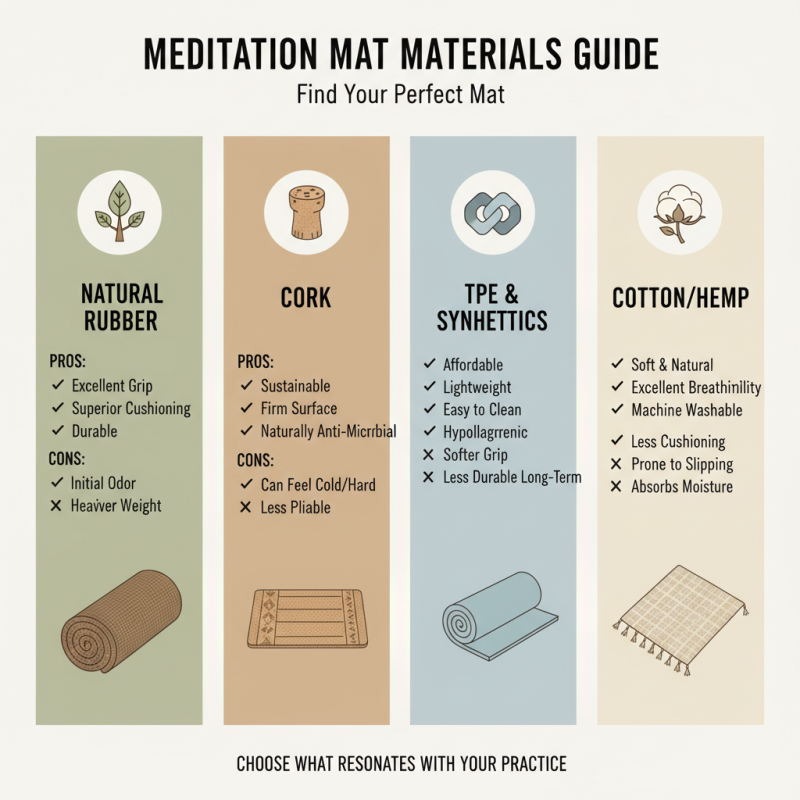
Different materials used in meditation mats significantly impact comfort and durability. Natural rubber offers excellent grip and cushioning, making it popular among experienced practitioners. However, it may emit an odor initially, which can be off-putting for sensitive users. Cork, a sustainable option, provides a firm surface that improves balance but can feel cold or hard during winter mornings. TPE and other synthetic materials are affordable and lightweight but might lack the breathability needed for longer sessions.
Tips: Choose a mat with a textured surface for better stability. If you sweat a lot, look for moisture-wicking materials. Consider your surrounding environment; thicker mats offer extra comfort on hard floors. Remember, the right material can influence your practice's focus and safety. Don't forget to pair your meditation mat with a proper Meditation Pillow for better posture. Testing different textures and thicknesses helps find what truly enhances your experience.
Size and Thickness: Finding the Right Fit for Comfort
Choosing a meditation mat may seem straightforward, but comfort is crucial. Size and thickness directly impact your practice. A larger mat offers ample space for movement. An ideal mat allows you to stretch out, providing freedom to immerse in meditation.
Thickness is another vital aspect. A thicker mat may seem more comfortable at first, but it can sometimes hinder stability. Some find it hard to balance in certain positions on a thick surface. On the flip side, a thinner mat can give more ground connection, supporting better alignment. Taste varies from person to person.
Reflect on your meditation style. Do you prefer seated practices or dynamic movements? Test different options to discover what feels right. Visualize yourself on a Large Fitness Mat. How does it feel? Comfort doesn't always equal superior thickness. Each mat offers a range of sensations that might surprise you. Take your time with this choice, as it can significantly affect your meditation experience.
Evaluating Portability and Storage Options for Your Mat
When selecting a meditation mat, consider its portability and storage features. A good mat should be lightweight and easy to carry. Look for options that can easily fit in your bag or be rolled up without hassle. This makes it convenient for home and outdoor use.
Tips: Check the folding or rolling mechanism. Some mats come with straps or handles, enhancing their portability. Ensure the material is durable yet flexible enough for easy packing.
Storing your mat is just as important as carrying it. When not in use, find a space that keeps the mat clean and dry. A dedicated spot prevents damage and extends the life of the mat. Mats that can easily slip under furniture or be hung may save space.
Tips: Consider a mat that has a removable and washable cover. This increases hygiene and makes maintenance simple. Remember, a clean practice space supports a clear mind.
2026 How to Choose the Best Meditation Mat for Your Practice? - Evaluating Portability and Storage Options for Your Mat
| Feature |
Option A |
Option B |
Option C |
| Material |
Natural Rubber |
TPE |
PVC |
| Thickness |
5mm |
8mm |
10mm |
| Weight |
2 lbs |
3 lbs |
4 lbs |
| Portability |
Rollable |
Foldable |
Non-Portable |
| Storage Options |
Easy to Store |
Requires Bag |
Storage Box Needed |
| Eco-Friendly |
Yes |
Yes |
No |
Budgeting: Finding Quality Mats at Various Price Points
Finding the right meditation mat can enhance your practice and make a difference in comfort. When budgeting, consider materials and durability.
High-quality mats can be expensive, but cheaper options may not last long. Look for mats made from natural or eco-friendly materials for both comfort and sustainability.
Explore various price points to find a balance between quality and cost. You can find decent mats in the lower price range, but they might lack features that support your practice.
For example, thicker mats can provide better cushioning, while textured surfaces help with grip. Sometimes, spending a little more can lead to a significant improvement in your meditation experience.
Don't forget to read reviews and ask for recommendations. This can help you find trustworthy options. Online forums often share insights on budget-friendly mats that perform well.
Remember to reflect on your experiences. What worked? What didn't? Adjusting your choice based on prior use can lead to a better fit in the future.
Reading Customer Reviews and Recommendations for Better Choices
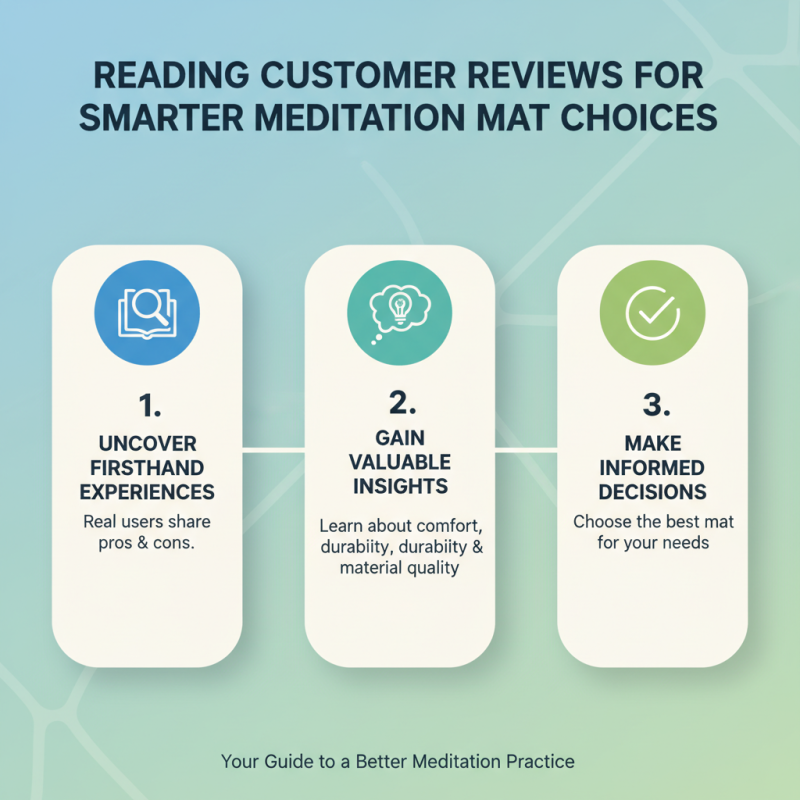
When searching for the best meditation mat, reading customer reviews can be invaluable. Current users often share firsthand experiences that highlight potential pros and cons. These insights can guide you in making a thoughtful decision.
Look for comments about comfort and support. Users frequently mention how the thickness of a mat affects their practice. Some may find a firmer surface more beneficial, while others prefer a softer feel. It's common to see mixed opinions on durability, too. A user may love a mat initially, but after months, mention wear and tear. This reflection can be crucial when evaluating your choices.
Tips: Pay attention to the material. Some mats use eco-friendly materials, which can enhance your practice. Consider the size as well. Some mats are more compact, making them easier for travel. Ultimately, balance what works best for your meditation needs with what others recommend.
Enhancing Workout Performance: The Impact of Quality Equipment on Exercise Effectiveness - Insights from Recent Fitness Industry Reports
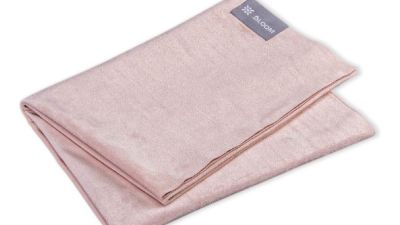
When it comes to enhancing workout performance, the quality of equipment plays a crucial role in determining exercise effectiveness. One product that exemplifies this is a high-quality sports towel designed to complement existing workout gear. Unlike bulky yoga mats, this towel offers a streamlined, hygienic alternative that can drastically improve the yoga or gym experience. Its design allows for easy transport, making it perfect for those on the go.
The sports towel is crafted from a soft, suede-like microfiber material, ensuring exceptional moisture absorption and breathability. This means that during intense workouts, users can stay dry and comfortable without worrying about slipping or discomfort. Moreover, the dual-sided non-slip backing keeps the towel securely in place, allowing for seamless transitions between various fitness activities. By placing it over a yoga mat, fitness enthusiasts can not only maintain the cleanliness of their primary gear but also extend its longevity, ultimately enhancing their workout experience.
FAQS
: A meditation mat enhances comfort and stability. It supports consistency and helps develop a lasting habit.
Thicker mats reduce joint strain, while thinner mats improve ground connection. Personal preference matters.
Yes, alignment guides assist beginners. They provide structure but remember, there's no one-size-fits-all solution.
A larger mat offers space to stretch. It helps you immerse fully in your practice. Size matters!
Look for lightweight mats that are easy to carry. Straps or handles can enhance portability.
Store it in a clean, dry space. Avoid damage by slipping it under furniture or hanging it up.
Yes, the right texture can alleviate distractions and enhance relaxation during meditation.
Yes, pairing mats with pillows can aid in better posture and deepen relaxation.
Reflecting on your style helps in choosing a mat. Each option offers different sensations that may surprise you.
A removable, washable cover increases hygiene. Clean space leads to a clearer mind during practice.
Conclusion
Choosing the right meditation mat is crucial for enhancing your practice and ensuring comfort during meditation sessions. A good meditation mat not only provides cushioning but also serves as a dedicated space for focus and tranquility. When selecting a mat, consider key factors such as material, size, thickness, and portability. Different materials offer varying levels of support and comfort, while the size and thickness need to match your personal preference for a conducive meditation experience.
Additionally, evaluating storage options and budgeting is important to find a quality meditation mat that fits your needs without compromising on comfort or durability. Taking the time to read customer reviews can also provide insights into the performance and suitability of different mats, guiding you to make a better choice for your meditation journey.