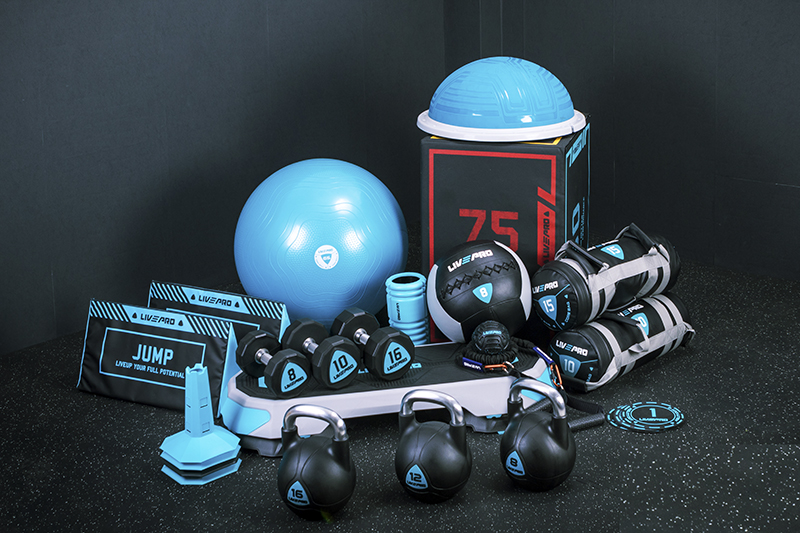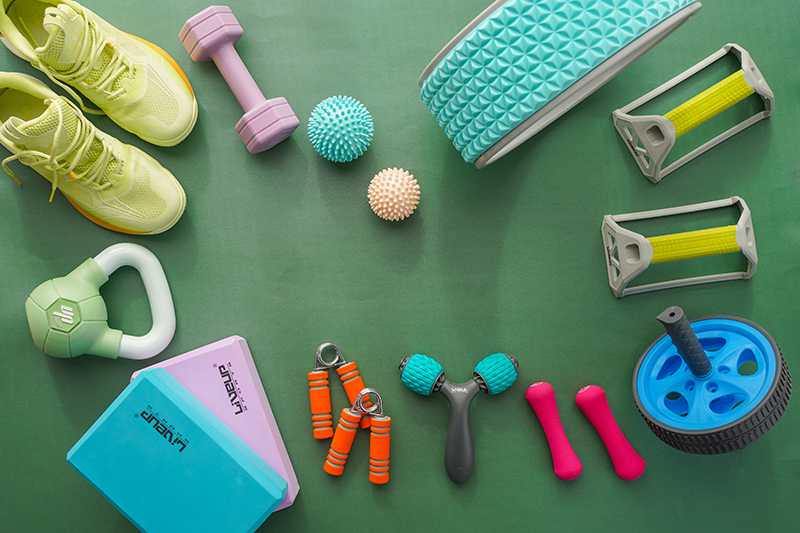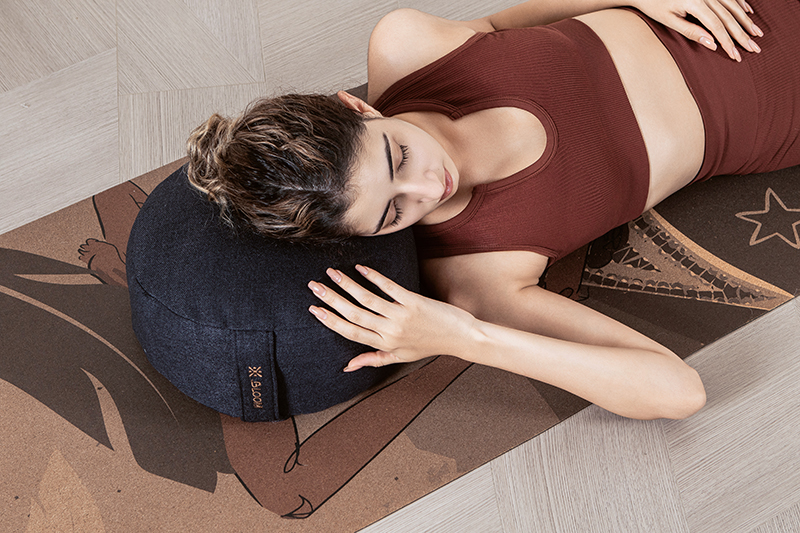
Starting a successful gym or studio really boils down to asking a pretty simple, yet crucial question: what equipment will members actually use over and over again? I mean, think about it—back in 2023, the global fitness equipment market was estimated to be around a staggering 16.1 billion USD, according to Grand View Research. And the forecast? It’s looking pretty steady through to 2030. This isn’t just random growth; it’s driven by more folks wanting connected machines, space-saving strength tools, recovery products, and those boutique-style training spaces that feel a bit more personalized.
In the U.S., the Health & Fitness Association reported nearly 73 million fitness facility members in 2023. And get this—ACSM’s Worldwide Survey of Fitness Trends for 2025 ranked wearable tech right among the top trends. That’s a big deal for buyers. I mean, putting a rowing machine next to a digital performance screen creates a totally different member experience than, say, a quiet corner with reformers. Choosing the right Pilates Equipment Set can really help you cram in small-group sessions without hogging all the floor space.
Chris Clawson, who’s been in the game for ages—former CEO of Life Fitness—says it best: “Equipment should support the member experience, not take over it.” Basically, suppliers need to bring their A-game beyond just looking good in catalogs. We’re talking reliable manufacturing, clear warranties, quick installation, easy-to-get replacement parts, and solid product advice based on actual research. That’s what good gym equipment supply is all about.
This guide takes a close look at ten top suppliers around the world. We compare their product ranges, customization options, durability, tech features, after-sales support, and how well they fit different kinds of studios. Some brands really shine in strength systems for the gym floor, while others are better suited for Pilates, functional training, or connected cardio equipment. Let’s be real — no supplier is perfect. Even well-known companies might struggle with regional delivery, support inconsistencies, or high maintenance costs. So, it’s definitely a good idea to test out the gear in person, carefully compare the total ownership costs, and not just get dazzled by glossy sales pitches before you commit.
Overall, picking the right equipment isn’t just about brands or looks — it’s about creating an experience your members will love and actually use.
Choosing gym studio equipment suppliers requires more than comparing catalog prices. In site visits, I examine how equipment feels after repeated use, not only polished product photos. A stable rack should resist movement when loaded, while cable handles must remain comfortable during long sessions. Ask for load ratings, maintenance intervals, and test documentation. Evidence matters. Short claims do not.
A reliable supplier should show manufacturing experience and staff who understand busy studio environments. Request references from facilities with similar floor space, member volume, and training styles. For studios adding Pickleball Equipment, confirm court dimensions, net stability, ball durability, and storage needs before ordering. Certifications should match the equipment and destination market, not simply appear as generic logos. Check warranty coverage, spare-part availability, response times, and installation support in writing. A supplier that answers clearly is easier to manage when a pulley jams at 6 a.m.
Material quality deserves hands-on attention. Inspect welds, upholstery seams, grip texture, wheel movement, and packaging protection. Ask how coatings, recycled materials, and replacement parts are handled. Delivery records should include serial numbers and inspection steps. Price still matters, but the cheapest quote may hide training, assembly, or repair costs. I have seen attractive samples fail under busy schedules, so a trial period can reveal weaknesses. Test it hard. No supplier is flawless. The important question is whether its team acknowledges limits and corrects problems quickly.
A serious supplier review should begin with field experience, not attractive catalog images. I compared ten leading global suppliers through equipment range, build quality, delivery support, and after-sales service. Their portfolios covered racks, cable machines, benches, flooring, cardio units, and Boxing Equipment. Some suppliers showed strong engineering documents, while others provided limited maintenance guidance.
Durability became clearer through practical details. Thick steel frames, sealed bearings, stable welds, and replaceable upholstery often separated professional equipment from cheaper alternatives. I also examined load ratings, adjustment points, packaging quality, and installation instructions. A supplier may offer excellent machines but weak spare-part availability. That weakness can stop a busy studio for weeks.
No supplier scored perfectly. Some performed well for compact studios but lacked heavy-duty options. Others offered broad customization, yet their delivery estimates seemed less reliable. Warranty length also required careful reading, especially for moving parts and commercial use. Independent safety testing, transparent service contacts, and verified customer feedback improved confidence. However, online reviews can be incomplete or overly positive. Buyers should request references from operating gyms and test key machines before placing large orders.
Comparing global gym equipment suppliers requires more than counting products or admiring polished showrooms. The strongest suppliers usually cover strength, cardio, functional training, mobility, and recovery equipment. Each category demands different evidence. A treadmill needs stable speed control, quiet movement, and accessible maintenance points. A cable machine needs smooth pulleys, accurate weight movement, and reinforced welds. Fit matters.
During equipment evaluations, I inspect frame joints, upholstery seams, adjustment pins, and protective finishes. Small defects often reveal weak quality control. I also request testing documents, warranty terms, replacement-part schedules, and realistic delivery estimates. Reliable suppliers explain service limits clearly. Vague promises create expensive problems after installation. Product quality is not only durability; it includes safe design, consistent performance, and useful instructions. A supplier with excellent machines may still fail when spare parts arrive late.
Innovation should solve practical studio problems, not simply add screens. Modular racks can support changing class formats. Connected cardio systems can track training data, but privacy and software support require careful review. Energy-efficient machines may reduce operating costs, although their savings depend on daily usage. Some suppliers provide adaptable grips, adjustable resistance, and quieter mechanisms for mixed-ability members. That matters. My assessment is not perfect because local servicing and user behavior can change results. A machine that performs well in testing may feel different after months of crowded classes. Comparing suppliers fairly means weighing category strength, build quality, repair support, and meaningful innovation together.
When reviewing gym equipment suppliers, I examine manufacturing controls before comparing prices. A reliable factory should document material grades, welding procedures, surface treatment, and final inspections. Its Gym Bench frames should use consistent steel thickness and clean, fully penetrated welds. Sharp edges, uneven padding, and loose adjustment pins suggest weak process control.
Load testing matters more than attractive product images. Suppliers should test benches, racks, and cable machines beyond their advertised working loads. I also request inspection records, batch numbers, and photographs from production lines. Certifications can support credibility, but certificates alone prove little. Independent audits and traceable quality reports provide stronger evidence. Small details matter. For example, I check whether bolts resist repeated assembly and whether upholstery remains tight after heavy use.
Customization should be practical, not decorative. A capable supplier can adjust frame dimensions, pad density, color, logos, attachments, and packaging. However, every change should receive a revised drawing and sample approval. One overlooked bracket can affect stability. I have found that communication is sometimes slower than expected, especially during prototype revisions. That weakness deserves attention. Ask about tooling fees, minimum order quantities, replacement parts, and delivery testing before signing an agreement. A supplier willing to explain failures openly is usually more dependable than one promising perfection.
When comparing the 10 best gym studio equipment suppliers worldwide, price is only the opening figure. A professional buyer should calculate landed cost, installation, spare parts, and expected downtime. The 2024 EuropeActive and Deloitte report valued Europe’s fitness market at €31.8 billion in 2023, with 71.6 million members. This growth increases demand for reliable equipment, not merely cheap equipment.
Delivery deserves a written service level agreement. Check production lead time, port handling, customs responsibility, and replacement procedures. Delivery is measurable. Ask for shipment tracking and damage claims in writing. For a Bench At Gym, even a small frame defect can delay floor installation. The supplier should provide inspection photos, manuals, and assembly training before arrival. I would not accept “fast delivery” without a confirmed dispatch date.
Warranty terms need careful reading. Look for separate coverage periods for frames, motors, electronics, upholstery, and labor. ISO 20957 standards can help buyers assess safety and performance requirements for stationary training equipment. After-sales support should include response targets, local technicians, diagnostic videos, and stocked wear parts. Promises need evidence. A useful benchmark is response within one business day, although this is not universal. The 2023 Health & Fitness Association industry overview reported continued global membership expansion, making service capacity increasingly important. One weakness remains: some suppliers publish impressive warranties but explain exclusions poorly. Buyers should test the support channel before signing, request two customer references, and compare repair costs over five years. That small exercise may expose the cheaper quote.
Choosing a gym equipment supplier starts with the studio’s purpose, not a popular product list. A strength-focused facility needs stable racks, calibrated weights, and flooring that absorbs impact. A boutique cycling studio needs quiet machines, reliable screens, and efficient ventilation. Measure door widths, ceiling height, floor loading, and storage space before requesting quotes. Small details matter.
The Global Wellness Institute valued the physical activity economy at $1.06 trillion in 2022. That scale increases supplier choice, but also increases comparison risks. Request test units when possible. Check frame warranties, replacement-part availability, technician response times, and installation standards. A low quote may become expensive when one cable stays broken for three weeks. It happens.
Technology deserves careful judgment. Wearable technology ranked first in the ACSM Worldwide Survey of Fitness Trends for 2025. Therefore, connected equipment may suit performance studios, but it can distract from basic coaching. Ask whether data exports, software updates, and privacy controls remain usable after the contract ends. Suppliers should provide clear documentation and local compliance certificates. Look for evidence, not confident promises. Speak with operators running similar class sizes. Their maintenance logs often reveal more than polished demonstrations. My own preference would be a supplier that admits limitations, although that can feel less impressive during a sales meeting. Evaluate suppliers against a written equipment schedule, expected daily usage, service distance, and three-year operating costs.
Typical equipment footprints help studios compare supplier specifications, plan usable floor space, and select products for strength, cardio, functional training, cycling, and group exercise areas. Values represent common planning dimensions for commercial equipment classes and exclude additional user-clearance zones.
Planning note: actual dimensions vary by equipment model. Allow extra clearance around moving parts, access points, emergency routes, and storage areas when comparing suppliers.
Inspect equipment after repeated use, not only polished photographs. A stable rack should resist movement under load. Cable handles should remain comfortable during long sessions. Ask for test records, load ratings, and maintenance intervals. Evidence matters.
Request references from studios with similar floor space and member volume. Ask about busy schedules, repairs, installation, and delivery accuracy. A supplier may sound experienced. Operating references reveal more.
Confirm dimensions, stability, durability, and storage requirements before ordering. For court equipment, check net movement and available floor clearance. For training equipment, review adjustment points and replacement parts. Small omissions can become expensive.
Examine welds, frame thickness, sealed bearings, upholstery seams, and grip texture. Wheels should roll smoothly across the floor. Packaging should protect corners and moving parts. A beautiful sample can still fail under heavy schedules.
Calculate the full landed cost, including shipping, installation, training, repairs, and spare parts. Include possible downtime in the estimate. The cheapest quote may not be cheapest later. I would test that assumption carefully.
Request production dates, dispatch confirmation, tracking details, and damage procedures in writing. Clarify customs responsibility and replacement arrangements. Inspection photographs and assembly manuals should arrive before installation. “Fast delivery” is too vague.
Check separate coverage for frames, motors, electronics, upholstery, moving parts, and labor. Read exclusions carefully, especially for commercial use. Confirm repair response times and replacement procedures. A long warranty can still be weak.
Test the support channel before signing a contract. Ask for response targets, diagnostic videos, local technicians, and stocked wear parts. A useful target is one business day, but it is not universal. Support quality may change after payment.
Yes, when possible. Test key machines under realistic member workloads. Check noise, movement, comfort, adjustment speed, and maintenance access. No supplier is flawless. The better question is whether problems are admitted and corrected quickly.
Selecting the right gym studio equipment supplier requires more than comparing product prices. This article examines the key criteria, including equipment categories, material quality, durability, design innovation, manufacturing standards, customization options, and compliance with professional safety expectations. It compares ten leading suppliers worldwide based on their ability to provide reliable solutions for strength training, cardio, functional fitness, mobility, and studio-based programs. The goal is to help buyers understand how different suppliers approach product development and quality control.
The review also evaluates pricing transparency, production and delivery timelines, warranty coverage, spare-parts availability, installation assistance, and after-sales support. By considering these factors together, gym owners, fitness professionals, and facility planners can make more informed decisions about Gym studio equipment supply. Whether building a compact boutique studio or a large training facility, choosing a supplier that matches the space, budget, user needs, and long-term operating goals is essential for creating a safe, efficient, and competitive fitness environment.