
- Home
- Products
- Resources
- About Us
- News
- Contact Us
Inquiry
Form loading...
Engineered for controlled kinetic chain reactivation, soft tissue manipulation, and safe torque-reducing strength rebuilds.
Why modern physical therapy centers are replacing isolated elastic bands with calibrated barbell systems to accelerate tissue healing.
In contemporary physical medicine and sports rehabilitation, the therapeutic paradigm has undergone a profound evolution. For decades, traditional physical therapy relied heavily on passive modalities—ultrasound, electrotherapy, and low-load isolation exercises. However, breakthroughs in mechanobiology demonstrate that biological tissues (tendons, ligaments, articular cartilage, cortical bone, and skeletal muscle) require progressive, quantifiable mechanical tension to induce collagen synthesis, tissue remodeling, and functional neuromuscular reorganization. This cellular stimulus, known as mechanotransduction, is optimized through the structured application of free-weight barbell training.
The specialized barbell bar for physical therapy and rehab has emerged as the gold standard instrument in bridging the critical gap between acute physical therapy discharge and full return-to-performance (RTP). Unlike elastic resistance or fixed-track machines, a therapeutic barbell imposes closed-kinetic-chain demands that force the human body to manage multi-planar micro-instability, activate core stabilization complexes, and preserve natural joint arthrokinematics.
Heavy Slow Resistance (HSR) using calibrated barbells applies high strain rates that stimulate tenocyte metabolism, normalize disorganized collagen fibers, and restore patellar and Achilles tendon tensile capacity.
Axial compressive loading via therapeutic barbell squats and deadlifts triggers piezo-electric responses within osteoblasts, directly counteracting osteopenia and age-related bone mineral density loss.
Free-weight movement trajectories force the central nervous system to recalibrate muscle spindle and Golgi tendon organ feedback loops, optimizing joint co-contraction and kinematic coordination.
Clinical Insight: Clinical studies indicate that incorporating compound barbell lifts at 70–85% 1RM during Phase III–IV musculoskeletal rehab yields up to a 42% faster restoration of symmetrical rate of force development (RFD) compared to non-axial machine rehabilitation.
Key structural parameters designed to minimize non-axial joint stress while optimizing load precision.
Standard commercial weightlifting bars are engineered primarily for maximal tensile elasticity and aggressive grip friction. In contrast, a barbell bar engineered for physical therapy and rehabilitation demands distinct mechanical tolerances:
Patients with diminished cutaneous tolerance, post-operative scar tissue, or neurological grip limitations require fine, non-abrasive volcano or semi-flat knurling. This ensures firm mechanical adhesion without tearing micro-vasculature or causing cutaneous discomfort during extended high-repetition sets.
Kinetic transfer into injured wrists, elbows, and shoulders is directly influenced by sleeve rotational friction. Medical-grade barbells integrate high-precision self-lubricating bronze bushings or smooth needle bearings. This reduces torsional shear stress across distal upper extremity joints during explosive transition phases.
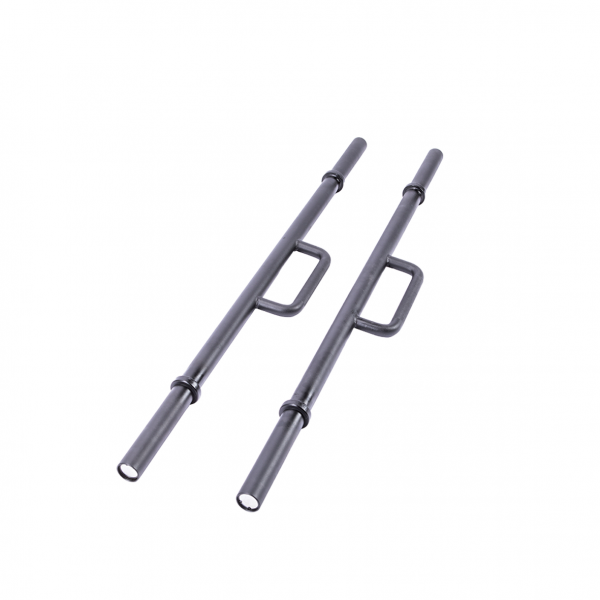
Specialty implements, such as the Safety Squat Bar (SSB) and Farmers Walk Bar, modify the external load's moment arm relative to the spine and lower extremity joints, allowing physical therapists to load hip and knee extensors without hyperextending vulnerable shoulder capsules.
| Barbell Category | Shaft Geometry / Weight | Primary Clinical Target | Joint Sparing Mechanism |
|---|---|---|---|
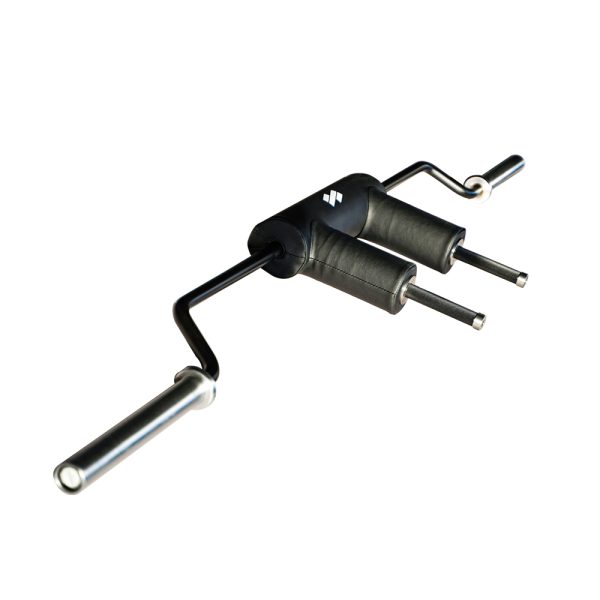
| The Safety Squat Bar (LP8376) | 22kg / Built-in Padded Yoke & Handles | Knee/Hip Extensor Strengthening | Eliminates shoulder external rotation; shifts torso upright to reduce lumbar shear. |
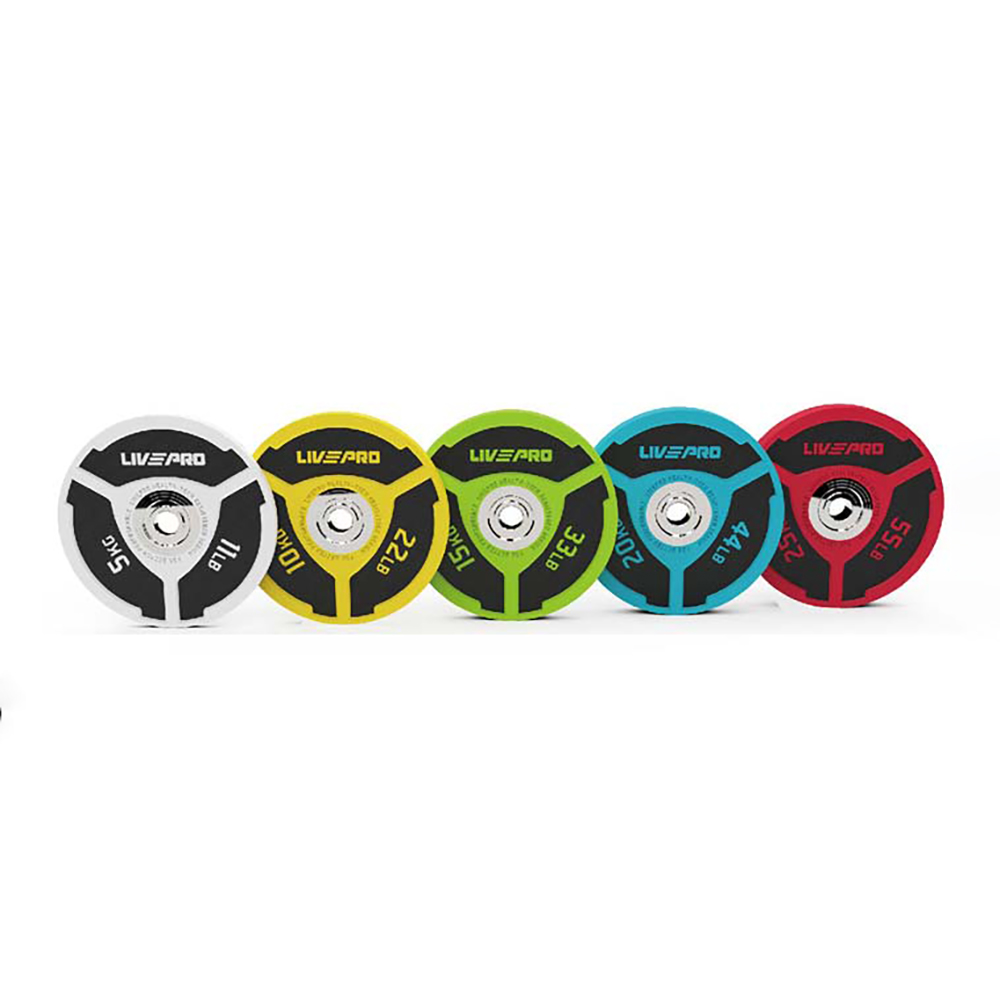
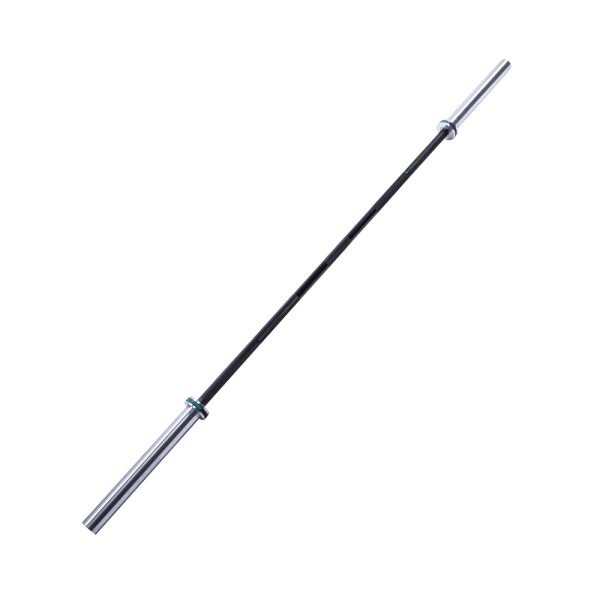
| Athletic Polyurethane Bar (LP8027) | 10kg–50kg Fixed Shafts | Progressive Overload & Symmetrical Symmetry | Fixed mass reduces setup instability; provides exact calibrated jumps. |
| Farmers Walk System (LP8307) | Dual Parallel Neutral Grip Bars | Gait, Core Anti-Lateral Flexion, Grip | Zero axial spinal loading; trains closed-chain pelvic stability during locomotion. |
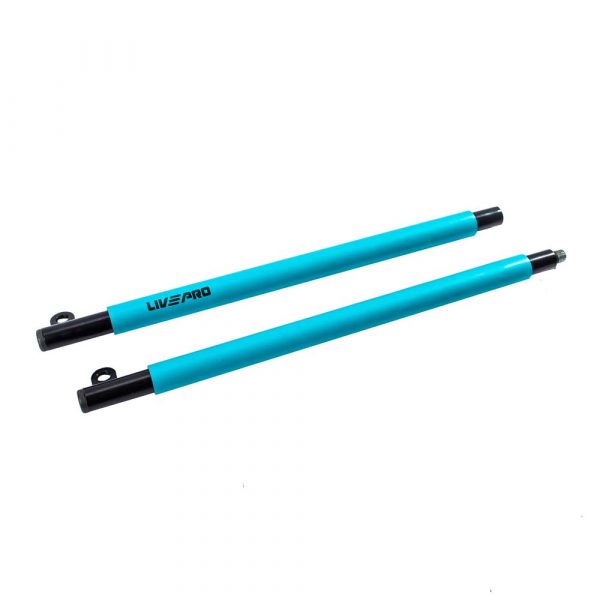
| LIVEPRO Resistance Bar (LP8400) | Lightweight Alloy + Band Anchors | Early-Stage Dynamic Neuromuscular Control | Accommodating resistance matches the patient's ascending/descending strength curve. |
Evidence-based progression protocols across four major orthopedic and functional disciplines.
Following anterior cruciate ligament reconstruction (ACLR), restoring quadriceps index and hamstring-to-quadriceps (H:Q) ratios is paramount. In Phase III rehab, physical therapists utilize the Safety Squat Bar for box squats and Romanian Deadlifts (RDLs). The anterior camber forces thoracic extension and promotes a more vertical tibia angle, minimizing anterior tibial translation while heavily activating the gluteus maximus and vastus medialis oblique (VMO).
Patients recovering from L4-S1 disc herniation or facet syndrome must avoid excessive forward flexion moments. Utilizing Farmers Walk Bars allows therapists to administer loaded carries. This imposes tremendous intra-abdominal pressure and activates the quadratus lumborum and transverse abdominis in an isometric, neutral-spine posture, retraining spinal stiffness without compressive axial disc deformation.
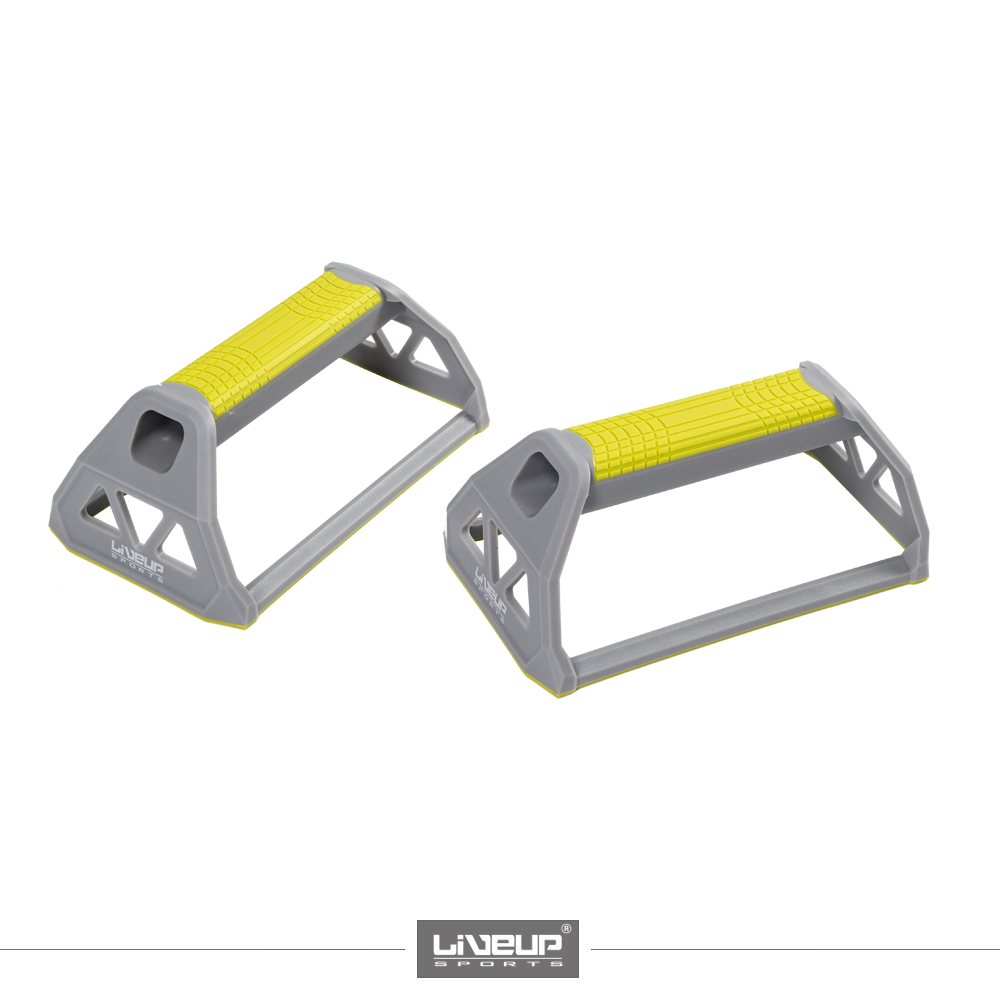
Traditional straight barbell bench pressing forces extreme glenohumeral horizontal abduction and internal rotation under load. By swapping to push-up bars, resistance training bars, or neutral-grip attachments, clinicians allow the scapulothoracic joint to upwardly rotate freely, sparing the subacromial space while building anterior deltoid and serratus anterior resilience.
Age-related dynapenia (loss of muscle power) is the primary predictor of fall risk in older adults. Controlled barbell deadlifts using fixed athletic bars stimulate Type-II fast-twitch motor units, significantly improving sit-to-stand kinematics, balance recovery stepping strategies, and independent functional capacity.
Following arthroscopic rotator cuff repair, progressive loading must transition from passive range-of-motion to dynamic stabilizing holds. The LIVEPRO Resistance Bar allows micro-graded accommodating resistance without sudden eccentric peaks, facilitating safe angiogenesis and tendon-to-bone healing.
In hemiparetic and neuro-rehabilitation protocols, bilateral barbell holding facilitates cross-education and hemispheric neural re-mapping. Guiding a barbell through guided linear planes restores spatial awareness and equalized bilateral motor drive.
The convergence of Velocity-Based Training (VBT), smart sensor integration, and boutique physical therapy wellness centers.
The global physical therapy and rehabilitation equipment market is projected to expand at a CAGR of over 7.2% through 2030. Within this market, the commercial integration of free-weight strength tools is undergoing a major technological transformation. Key industrial trends include:
Clinics are outfitting therapeutic barbells with linear position transducers and AI optical camera tracking. Instead of prescribing arbitrary percentages of 1RM, clinicians prescribe barbell movement velocity (m/s). This prevents overtraining, detects acute neuromuscular fatigue, and precisely ensures the patient trains within safe sub-maximal velocities.
Private physical therapy practices are expanding into "Med-Fit" gyms and cash-based athletic performance clinics. Facilities require high-end commercial barbell systems that deliver medical-grade safety while meeting the aesthetic and functional expectations of elite athletes and wellness clients.
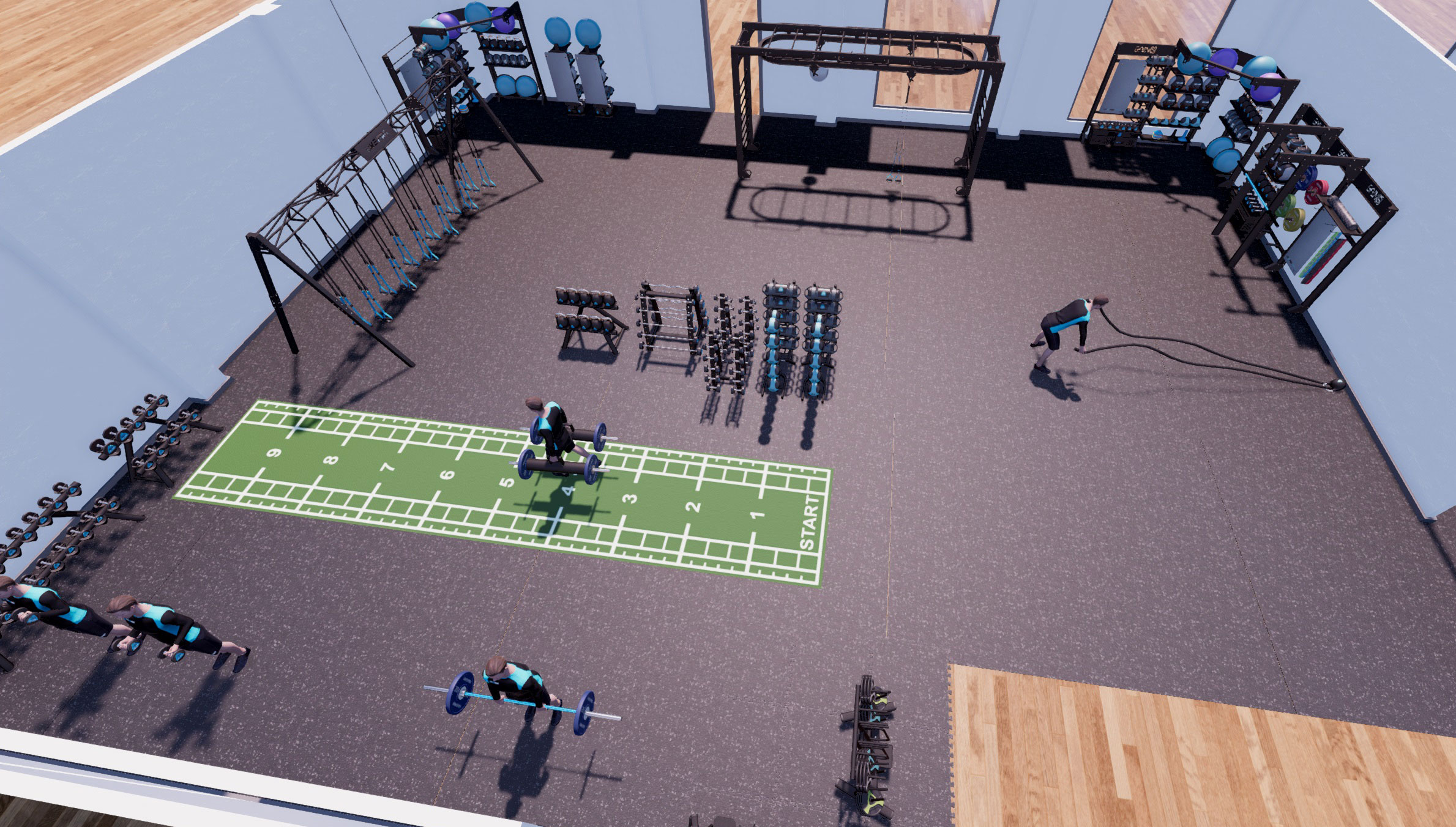
Optimizing clinic workflow and patient safety requires precise spatial planning. Modern rehab providers utilize 3D layout simulation software to design dedicated strength-recovery suites, ensuring wide clearance zones, accessible barbell storage, and integrated multi-purpose platforms.
Over two decades of dedication to research, ergonomic innovation, and world-class manufacturing standards.
Established in 2004 at Nantong, LIVEUP SPORTS is a leading manufacturer and supplier of fitness & sports products in China. Centered on the development and design of high-level training equipment, our company is focused on three main categories, including home & personal fitness products, commercial training equipment, and specific functional items.
We support fast delivery without MOQ for products under our brands, meanwhile we also can accept customer orders of OEM & ODM. Nowadays we are serving 1000+ customers in 150+ different countries all over the world, and we have agents in more than 40 countries such as France, Germany, Indonesia, etc. These cooperation have also confirmed the excellent quality of our products! We sincerely invite more interested distributors, dealers, and partners to join us.
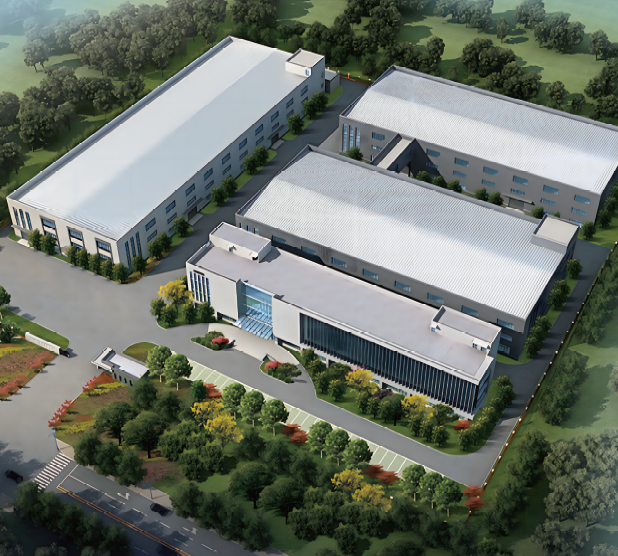
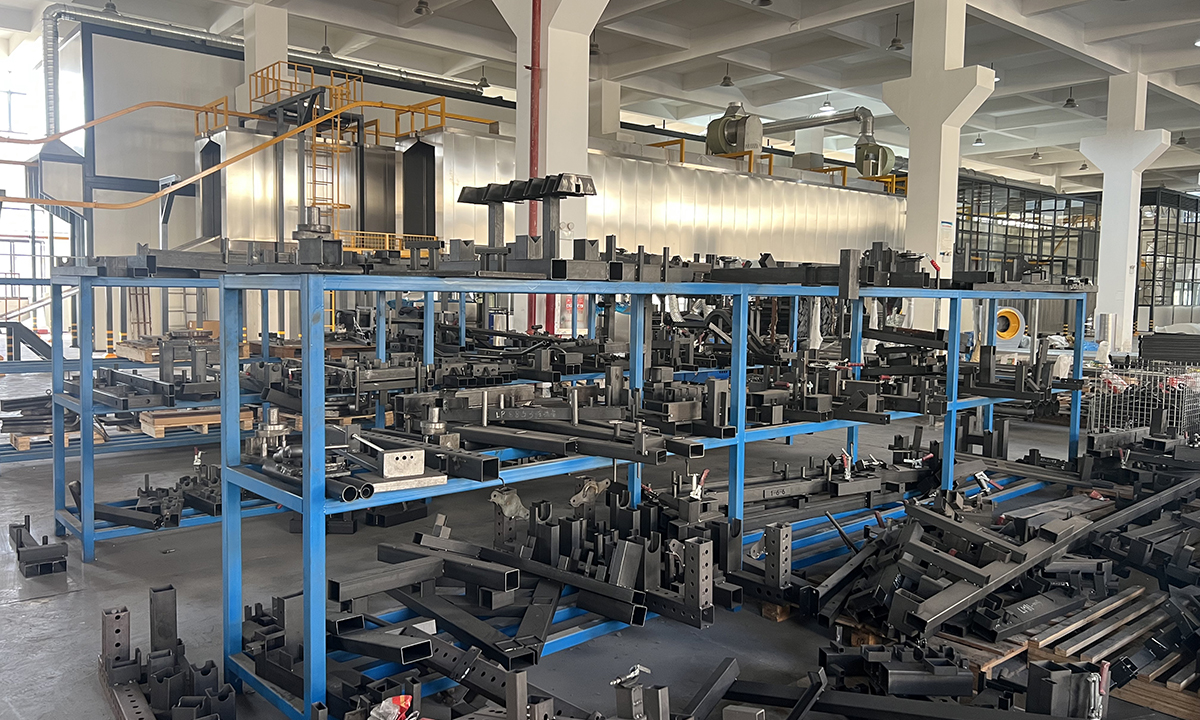
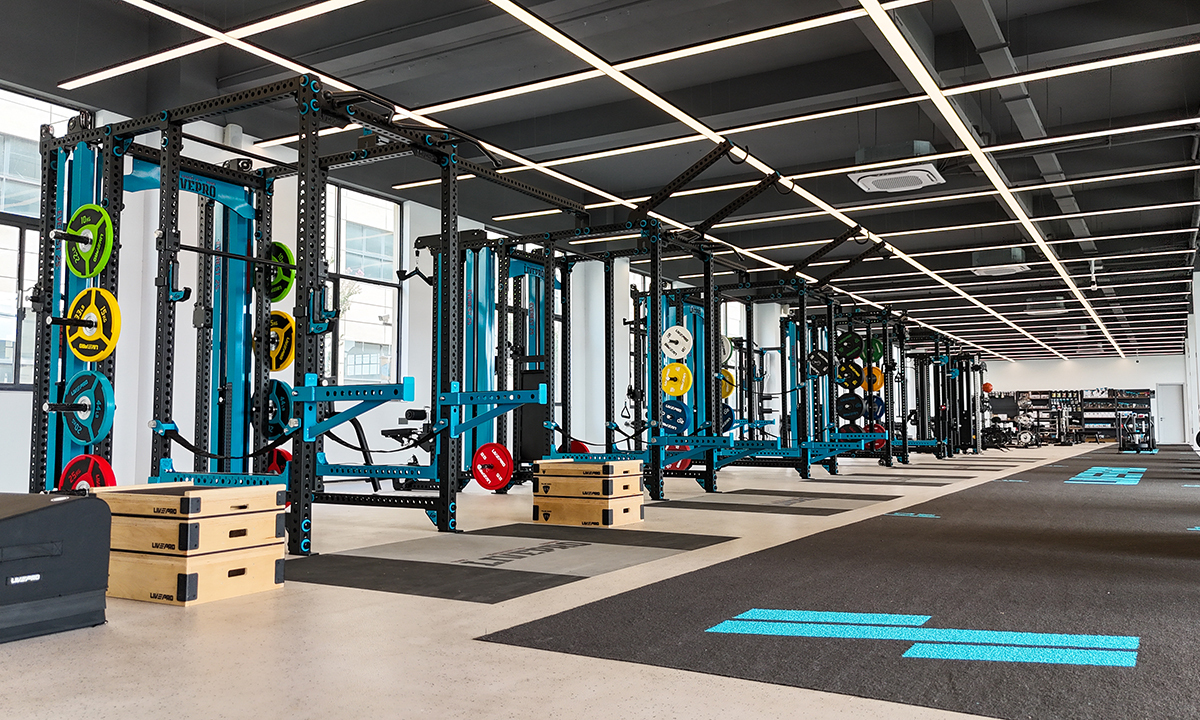
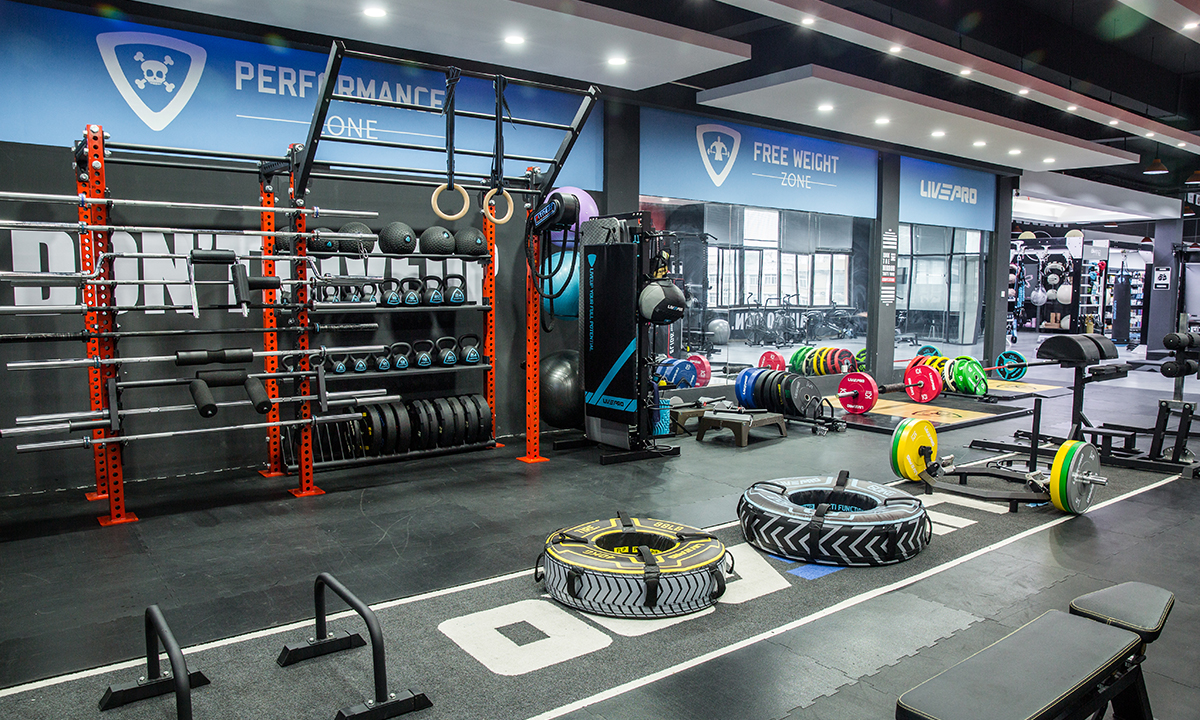
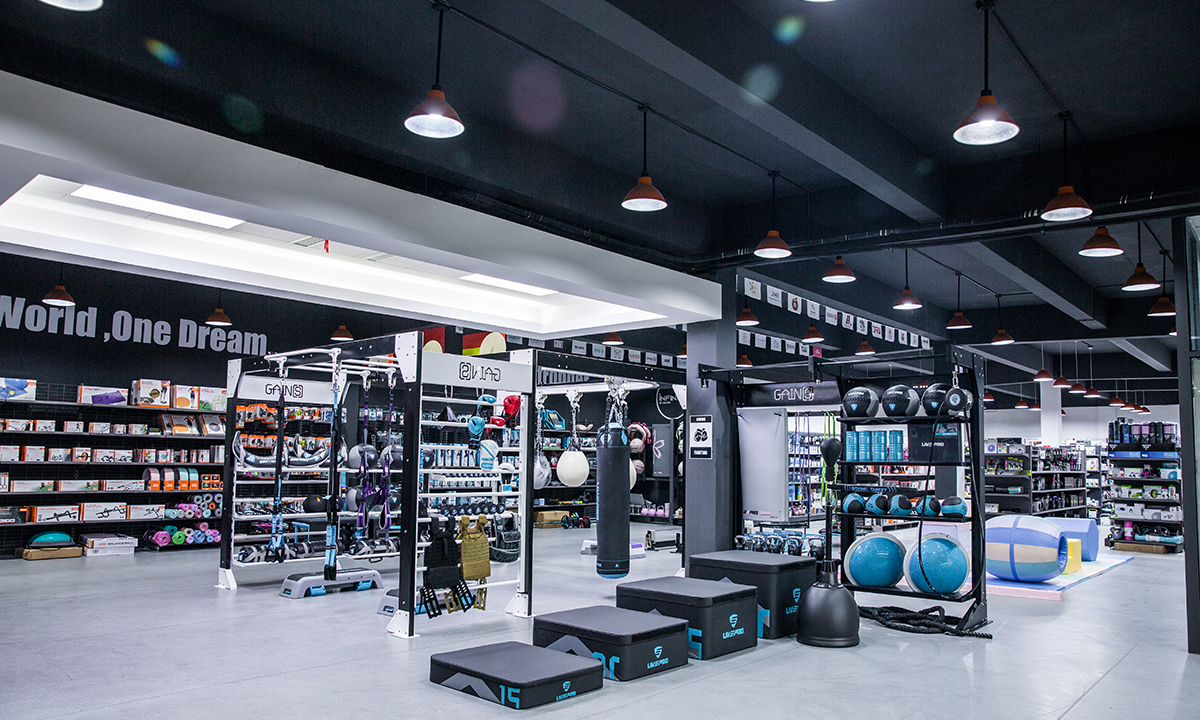
As a solution provider for all fitness and sports consumers, we apply professional knowledge into the program and product development, and we are constantly strengthening our ability to design and invent products.

OEM & ODM Accepted

Feedback in 24 Hours

Free Drawing Design

After-Sales Guarantee

One-Stop Purchase

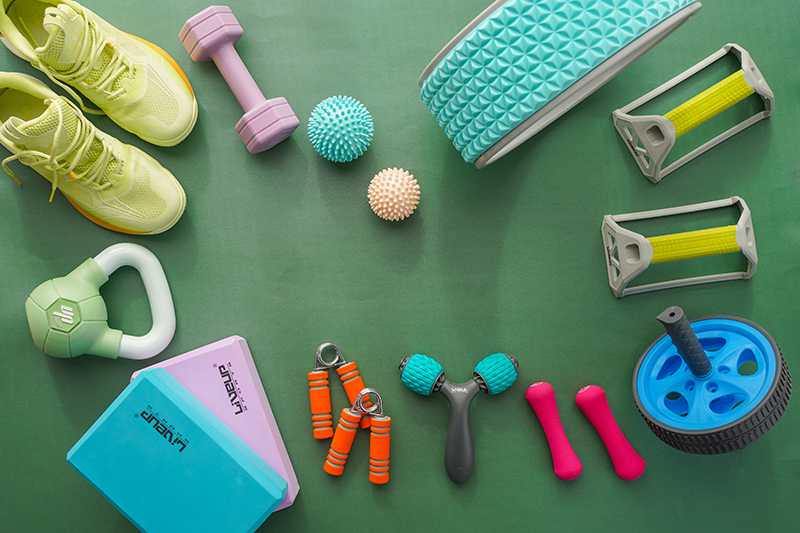
LIVEUP is a vibrant home fitness brand that brings high-quality sports products to consumers with professional vision and trendy taste. Live up your full potential.

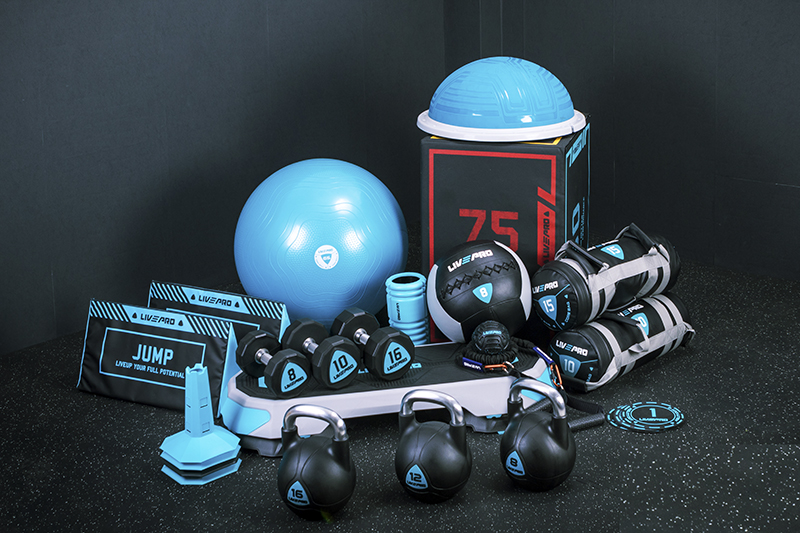
LIVEPRO is a premium functional training brand that provides system solutions for premium gyms, boutique studios, and professional sports rehabilitation teams.

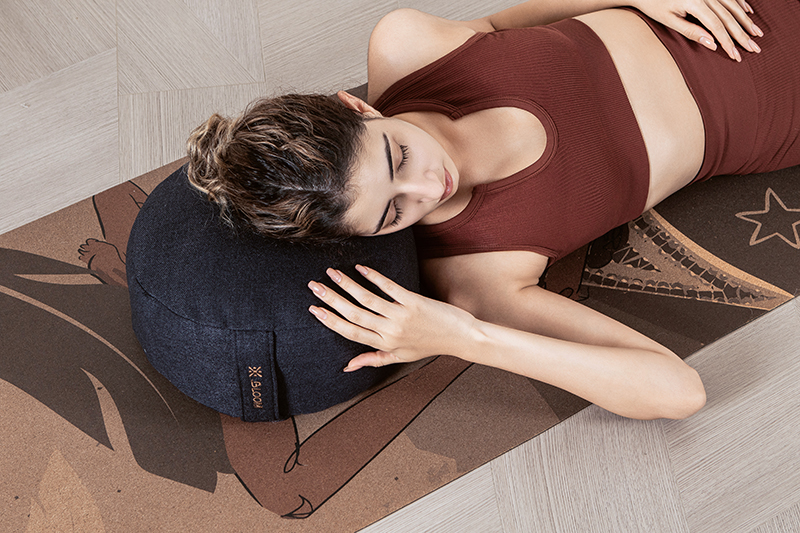
Bloom is a yoga and mindful recovery brand specifically designed for women. We empower our users to feel healthy, strong, and confident as flowers blooming.
We are able to present our solutions to our customers very quickly and clearly in 3D thanks to the cooperation with a Gym designer software. It enables the equipment to be deposited directly at the appropriate position in the planned room and to be visibly displayed on a scale of 1:1. Any changes can be made with only a few steps, the article and its position, the colour of the equipment etc. The perfect tool for the optimal planning of your newly built physical therapy clinic or high-performance rehab studio.
Leading innovation Liveup is engaged in the development, design, manufacturing, and marketing of sporting goods and fitness equipment for OEM/ODM and international distribution. Our fast business growth and continuous progress in new product development have made us one of the world's leading innovators.
Liveup artwork engineers put ideas into practice. Using the latest software, design concepts and biomechanical innovations become reality right here.
Our dedicated team understands your clinical and commercial requirements: accurate product recommendations, reliable quality, competitive pricing, streamlined inventory, and authentic post-sales support.
Monthly production capacity of 300 x 40' HQ containers. Certified by Wal-Mart ES Audit & CTPAT, passed audits by Carrefour, Tesco, Argos, and quality/ES audits by ITS, SGS, BV, and BSCI.
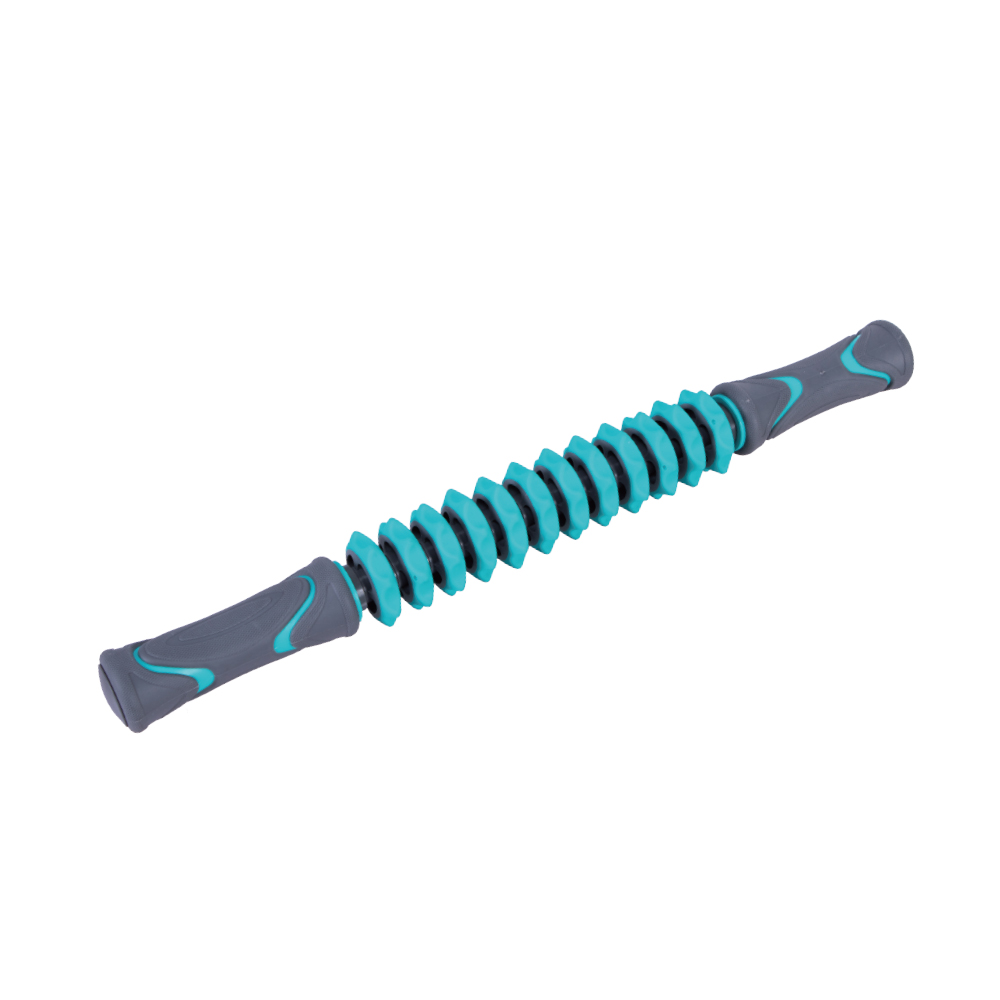
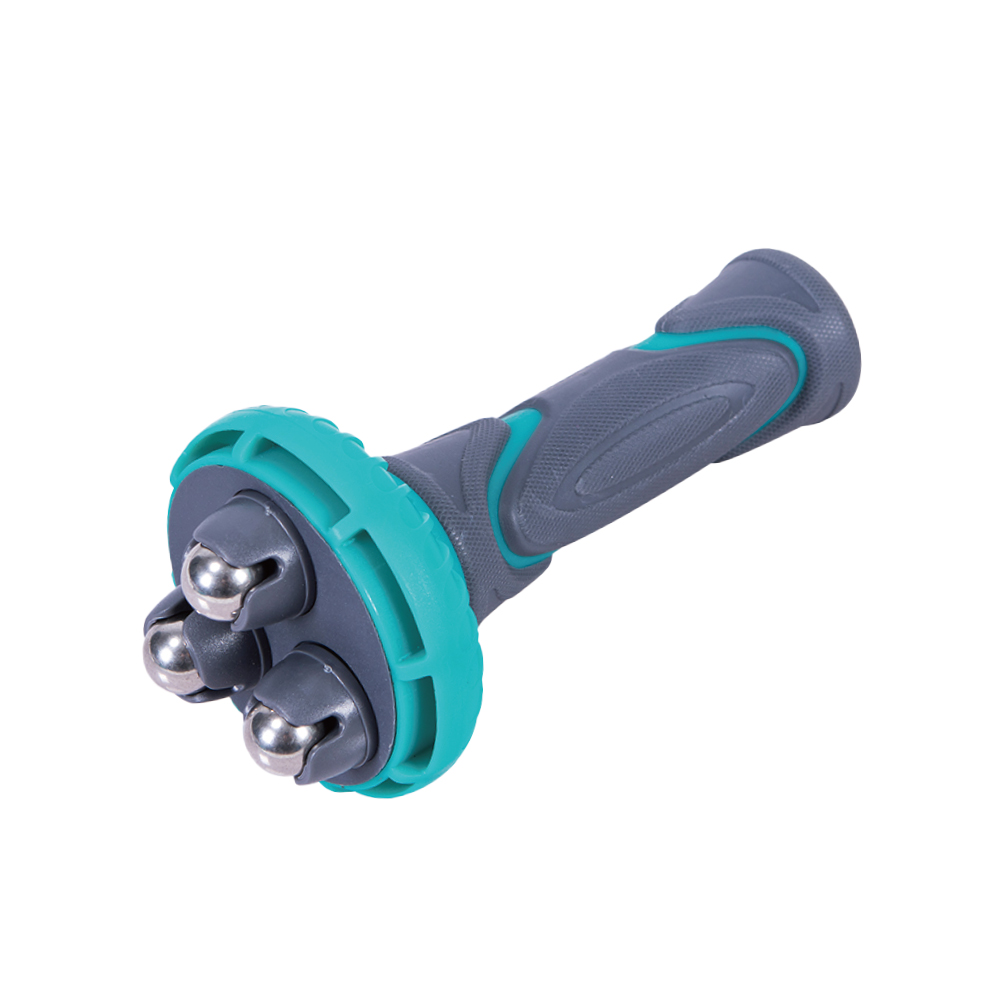
Explore our full line of calibrated barbells, specialty rehabilitation shafts, massage bars, and dynamic resistance tools.
Evidence-based answers for physical therapists, clinic directors, and strength coaches.
Barbell training can be safely introduced once a patient achieves full pain-free passive range of motion, symmetrical baseline isometric strength (>80% compared to contralateral limb), and demonstrates adequate motor control during unloaded foundational movement patterns (squat, hinge, press, carry).
The built-in camber of the Safety Squat Bar lowers the center of gravity and shifts the torque from the lower back and shoulder joints toward the mid-quadriceps and thoracic extensors. This is ideal for patients recovering from subacromial impingement, rotator cuff repairs, or lumbar disc pathology.
Mild, volcano-pattern knurling provides critical tactile feedback for patients with stroke or peripheral neuropathy, improving grip security and sensory motor recruitment without shearing delicate skin tissues.
Yes. LIVEUP SPORTS provides comprehensive OEM/ODM customization services, including custom laser-etched clinic branding, personalized shaft coatings, custom calibrated weight steps, and tailored 3D clinic layout planning.