- Home
- Products
- Resources
- About Us
- News
- Contact Us
Inquiry
Form loading...
The postpartum period, often referred to as the fourth trimester, is a phase of intense physical transition. During pregnancy, a woman's body experiences significant anatomical alterations. The hormone relaxin increases ligamentous laxity to prepare the pelvis for birth, but its effects persist for months postpartum, leaving joints temporarily unstable. The progressive growth of the fetus stretches the abdominal wall, frequently resulting in Diastasis Recti (the separation of the rectus abdominis muscles). Simultaneously, the pelvic floor muscles undergo prolonged strain, which can lead to weakness, incontinence, or pelvic organ prolapse.
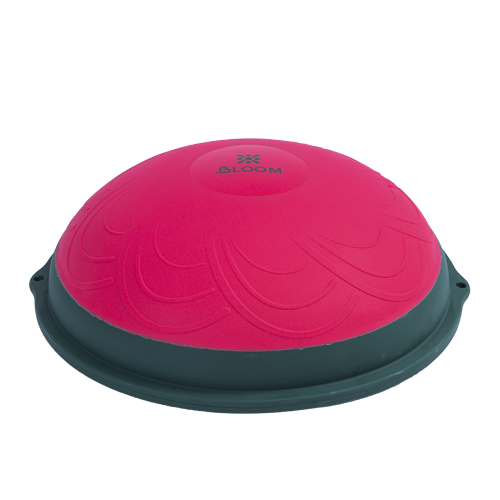
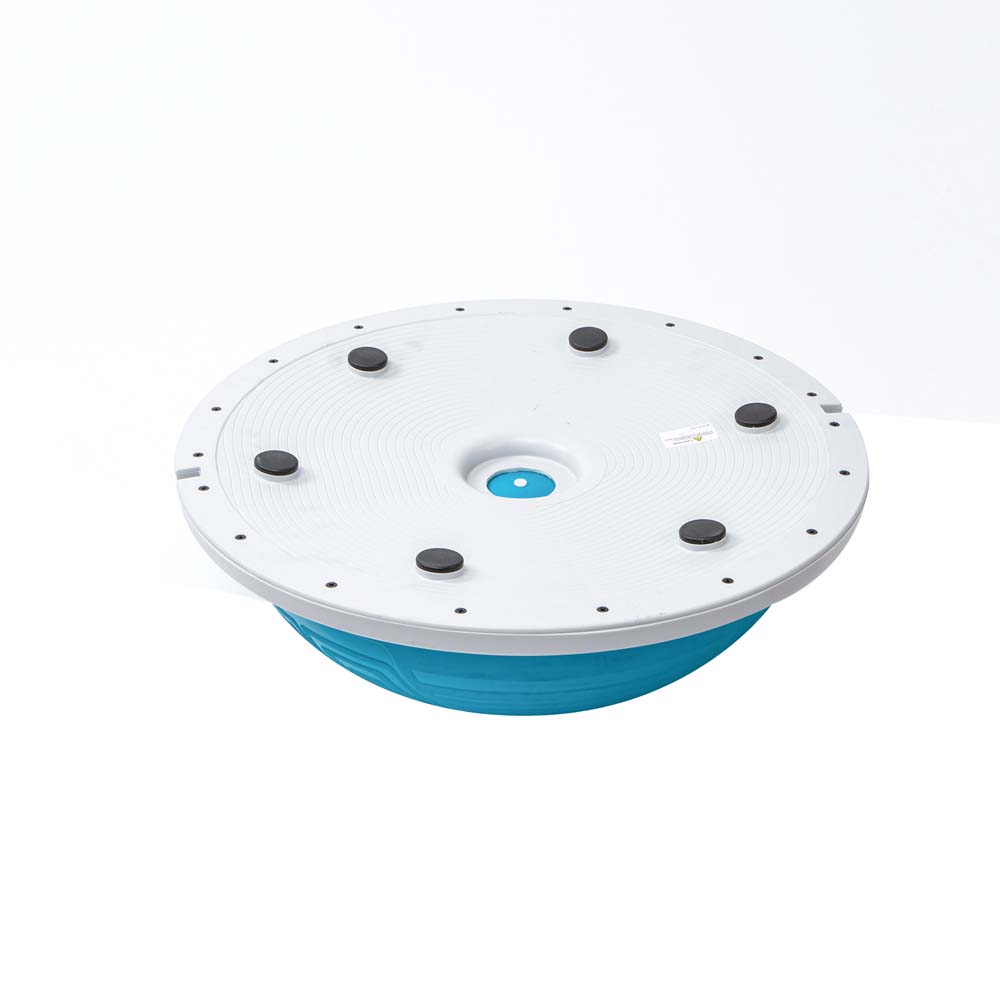
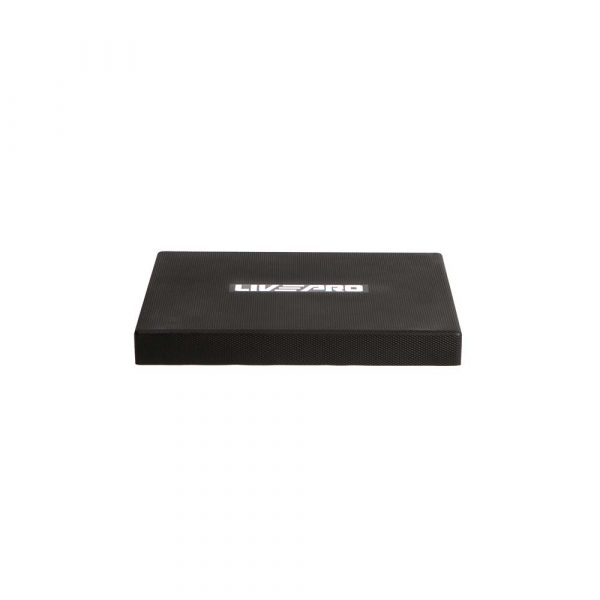
Rehabilitating these systems requires a gentle, progressive, and scientifically sound approach. Traditional high-impact exercises, heavy weightlifting, or standard abdominal crunches can worsen pelvic floor dysfunction and widen abdominal separation by increasing intra-abdominal pressure. Modern physical therapy highlights the necessity of low-impact instability training. Using a specialized foam balance pad provides the ideal environment for safe, progressive postpartum recovery and toning, offering gentle instability that activates deep stabilizing muscles without overloading the joints.
"Instability training on a high-density foam balance pad activates the deep local stabilizers—such as the transverse abdominis and the pelvic floor—safely rebuilding core strength from the inside out."
By standing, kneeling, or sitting on a balance pad, the body is forced to make constant, sub-conscious micro-adjustments. These micro-contractions stimulate the nervous system, re-establishing proprioceptive awareness that is often disrupted during pregnancy due to the rapid shift in the body's center of gravity.
The pelvic floor acts as a hammock supporting the bladder, uterus, and bowels. Post-pregnancy, these muscles often lose their resting tone and coordination. Sitting directly on a foam balance pad during diaphragmatic breathing exercises provides a supportive yet yielding surface. The soft resistance of the TPE foam gives tactile feedback to the user. As they inhale, the pelvic floor expands against the pad; as they exhale, they can practice contracting and lifting the muscles. This feedback loop accelerates neuromuscular re-education, making pelvic floor exercises (Kegels) more precise and effective.
Closing the gap in the abdominal wall requires strengthening the transverse abdominis (TVA), the deepest layer of the core, which acts as a natural corset. Placing a balance pad under the knees during quadruped exercises (such as bird-dogs or gentle pelvic tilts) introduces a level of instability that activates the TVA. Because the surface is unstable, the body must engage the deep abdominal wall to prevent pelvic rotation, bypassing the superficial rectus abdominis and preventing the intra-abdominal pressure that causes abdominal doming.
Postpartum joint laxity makes new mothers particularly susceptible to ankle sprains, knee strain, and lower back pain. Performing basic lower-body exercises like squats, split-squats, or single-leg stands with a balance pad challenges the stabilizing tendons and ligaments around the joints. When a user stands on the pad, the micro-wobble tones the calves, quadriceps, hamstrings, and glutes, while simultaneously strengthening the joint capsules, paving the way for safe return to higher-intensity workouts.
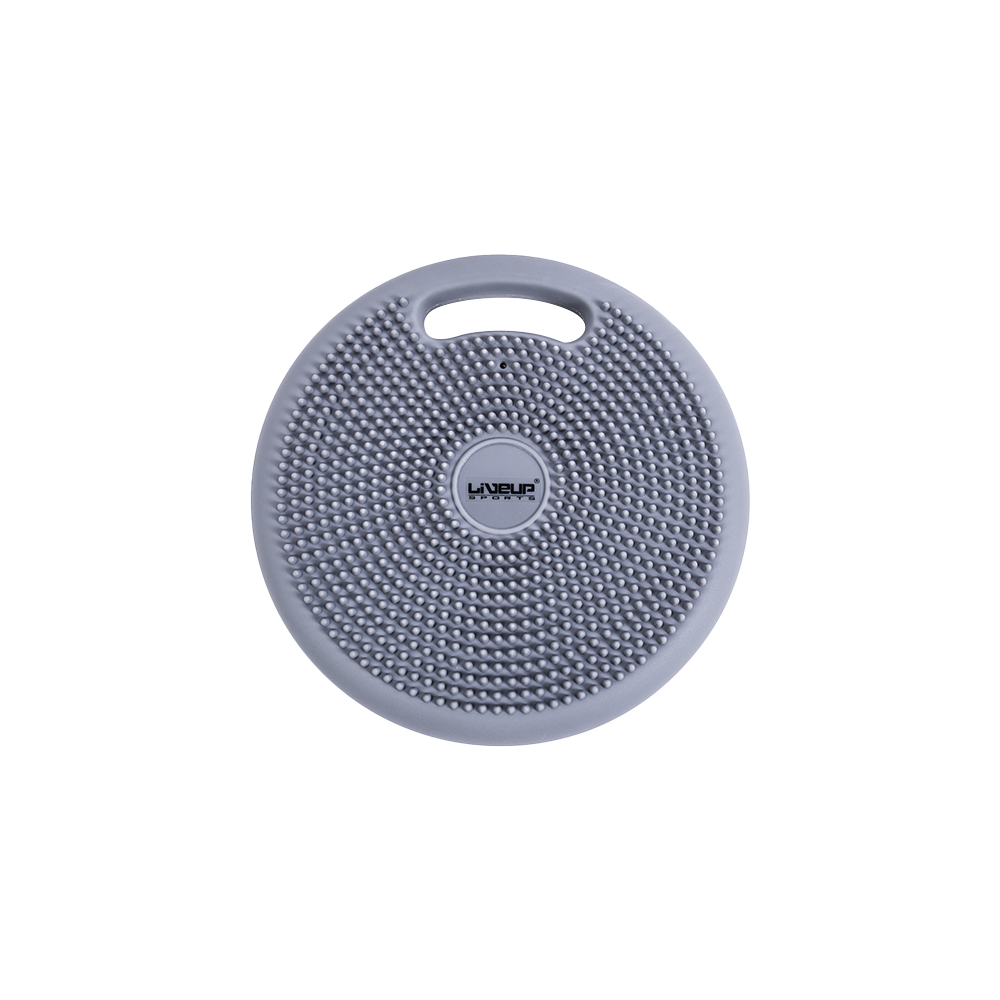
Repetitive daily tasks like carrying a newborn, feeding, and bending over a crib lead to postural issues, notably thoracic kyphosis and anterior pelvic tilt (commonly referred to as "mom posture"). Using a balance pad as an active seat cushion on an office chair or nursing chair forces the pelvis into a neutral alignment. The constant micro-adjustments required to maintain balance while sitting prevent static muscle fatigue, relieve lower back pressure, and encourage an upright, healthy spinal alignment.
The global maternal wellness and postpartum rehabilitation market is experiencing a significant shift. Modern consumers are moving away from superficial aesthetic-driven fitness toward functional recovery, pelvic health, and joint longevity. This shift has created substantial commercial demand for specialized instability training products in physical therapy clinics, chiropractic centers, boutique pre- and postnatal fitness studios, and home gyms.
From a manufacturing perspective, the industry is transitioning from cheap, open-cell foams to advanced, high-density closed-cell Thermoplastic Elastomers (TPE). TPE foam offers superior resilience, ensuring the pad maintains its shape and density under repeated compression. Furthermore, closed-cell technology prevents the absorption of sweat and moisture, making the pads hygienic and easy to sanitize in commercial settings. For B2B buyers, sourcing high-quality, durable, and non-toxic balance pads is key to meeting the standards of health-conscious clients and rehabilitation professionals.

Embedded pressure sensors to track weight distribution and pelvic symmetry, feeding data to mobile recovery apps.

Multi-layered foam structures that allow users to customize the level of instability as recovery progresses.

Biodegradable, plant-based foams and non-toxic manufacturing processes appealing to environmentally conscious consumers.
Established in 2004 at Nantong, LIVEUP SPORTS is a leading manufacturer and supplier of fitness&sports products in China. Centered on the development and design of high-level training equipment, our company is focused on three main categories, including home&personal fitness products, commercial training equipment and specific functional items.
We support fast delivery without MOQ for products under our brands, meanwhile we also can accept customer orders of OEM&ODM. Nowadays we are serving 1000+ customers in 150+ different countries all over the world, and we have agents in more than 40 countries such as France, Germany, Indonesia, etc. These cooperation have also confirmed the excellent quality of our products! We sincerely invite more interested distributors, dealers, and partners to join us. Please do not hesitate to contact us if you are interested.
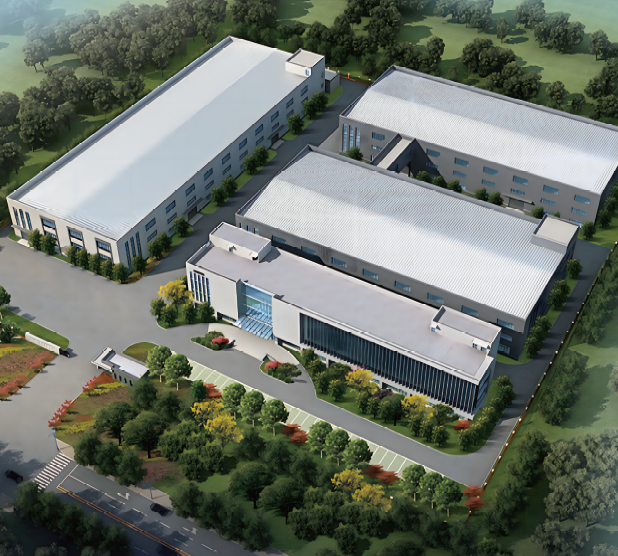
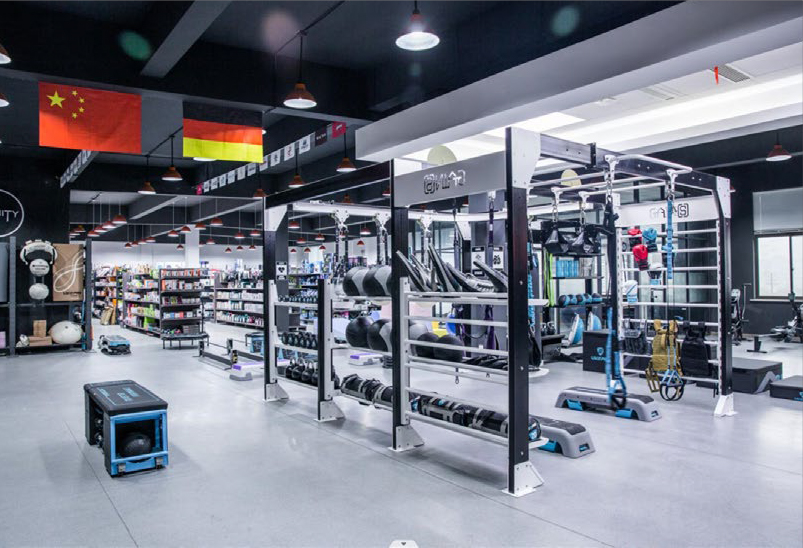
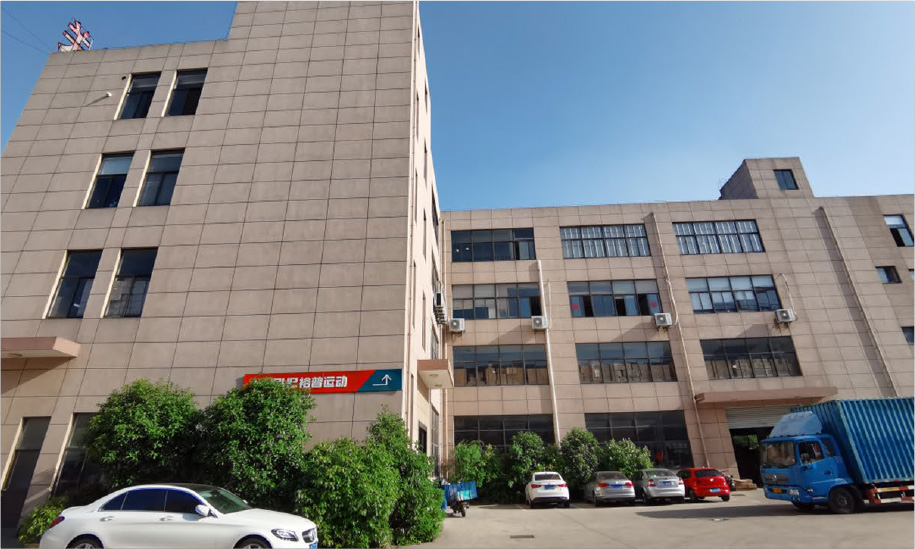
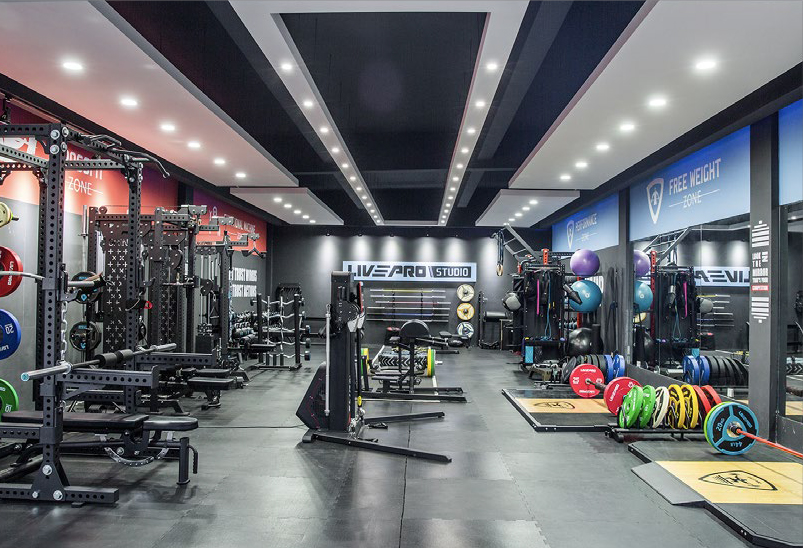
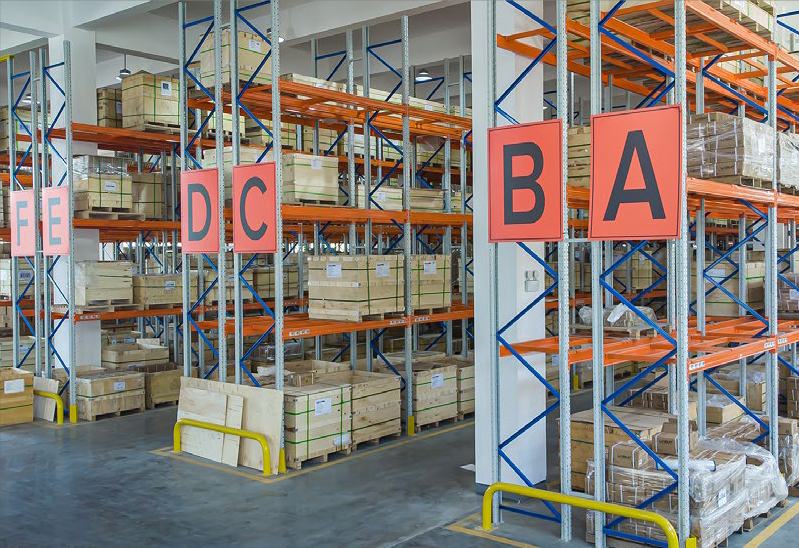
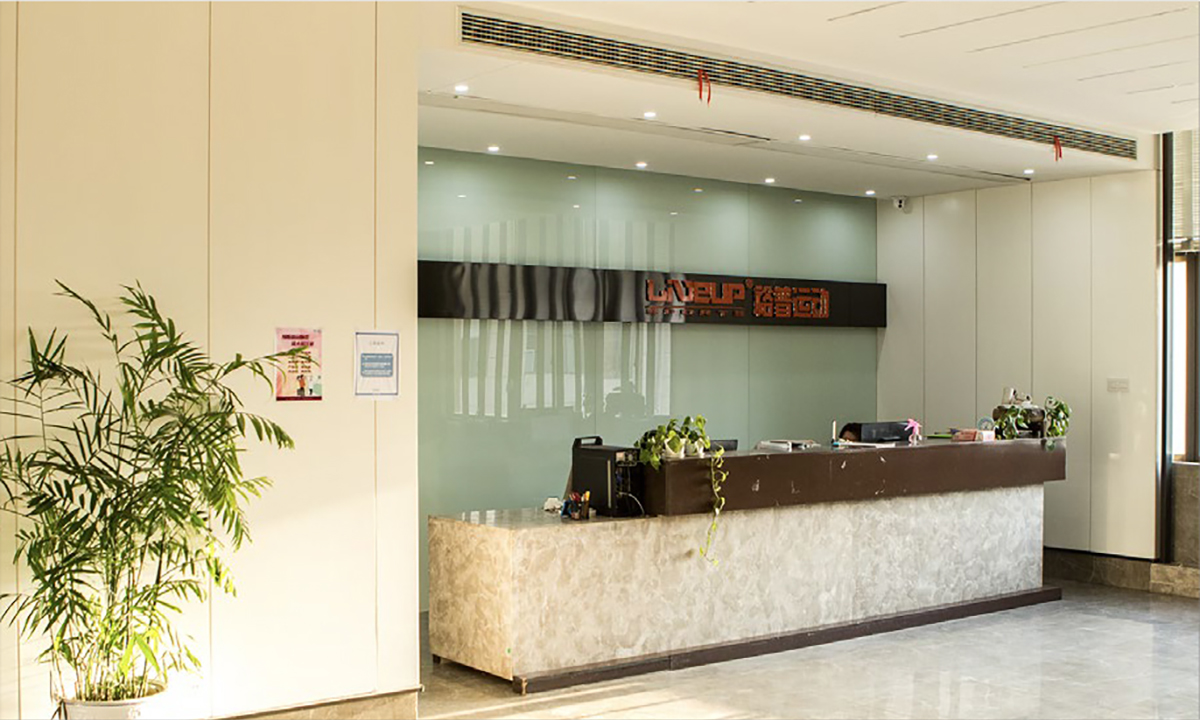
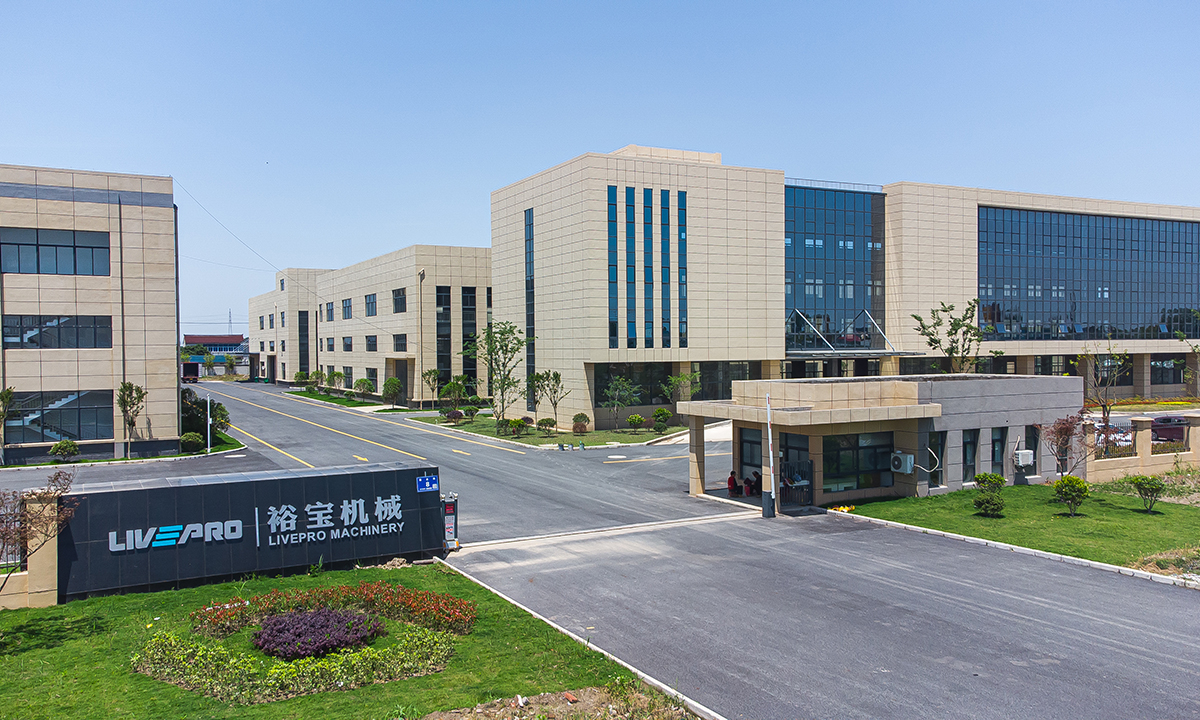
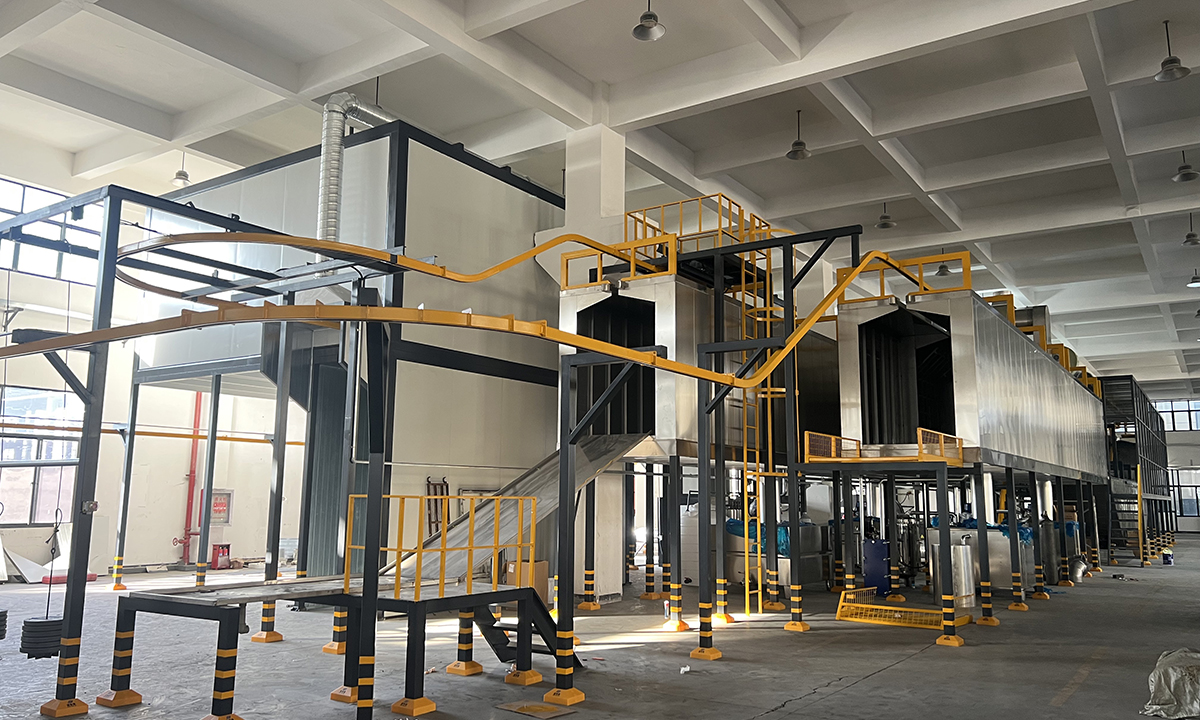
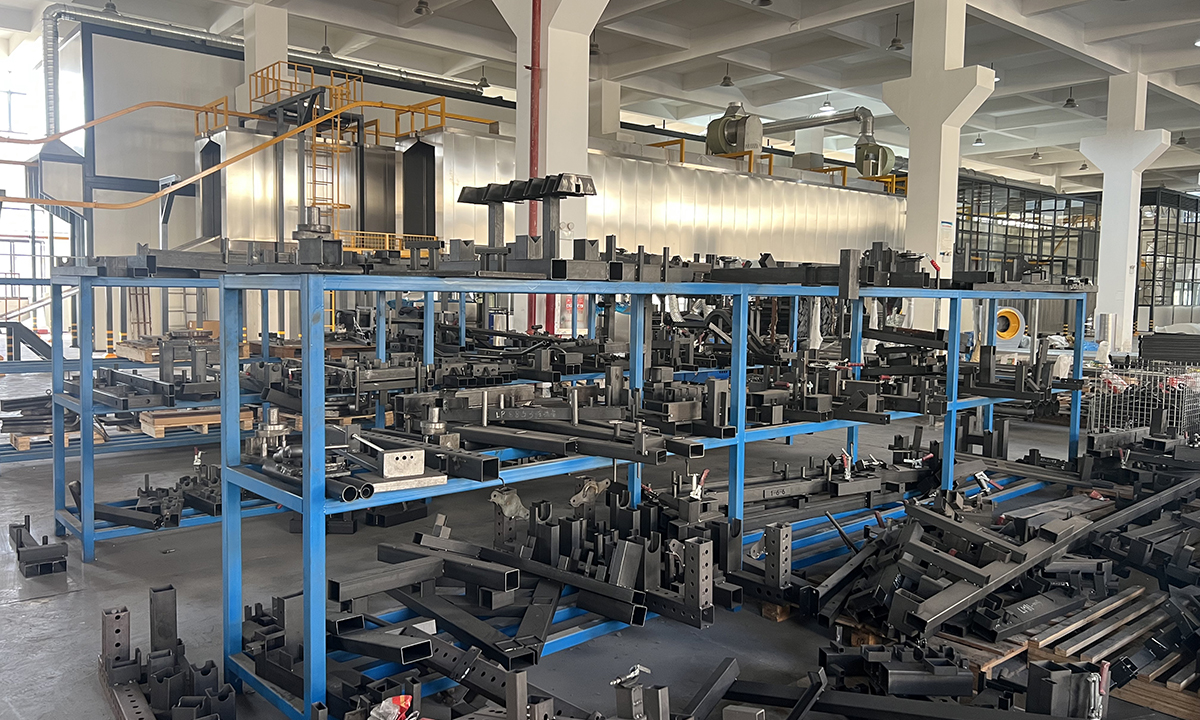
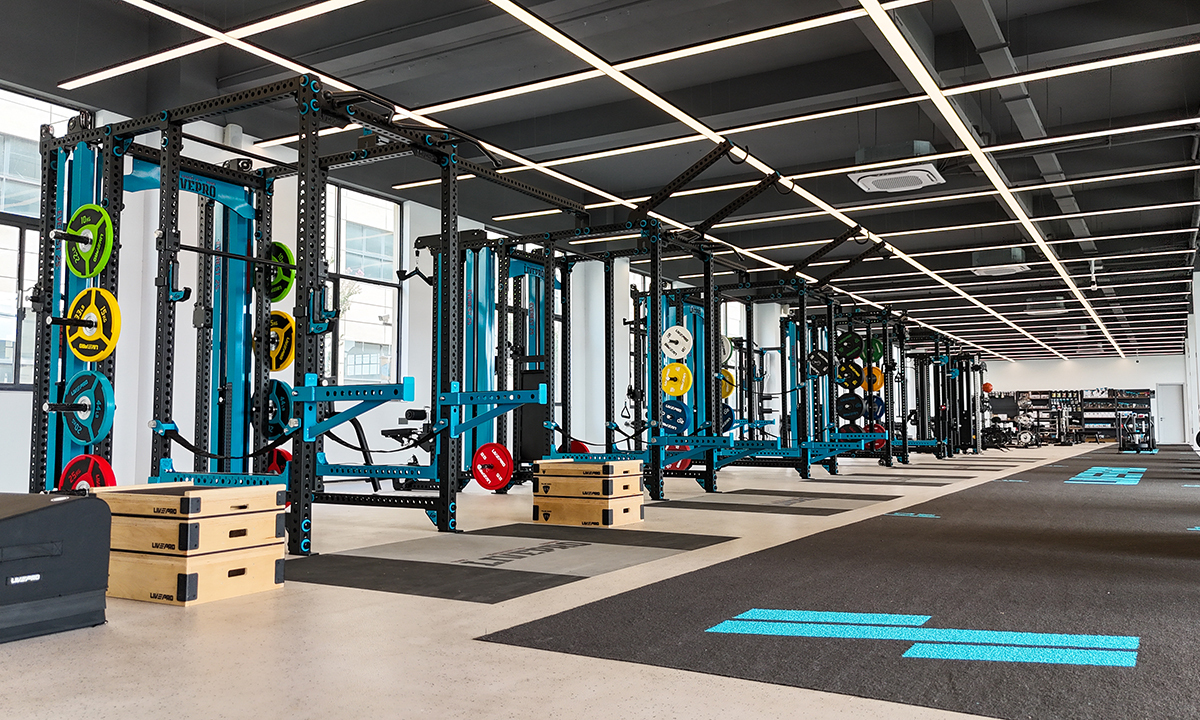
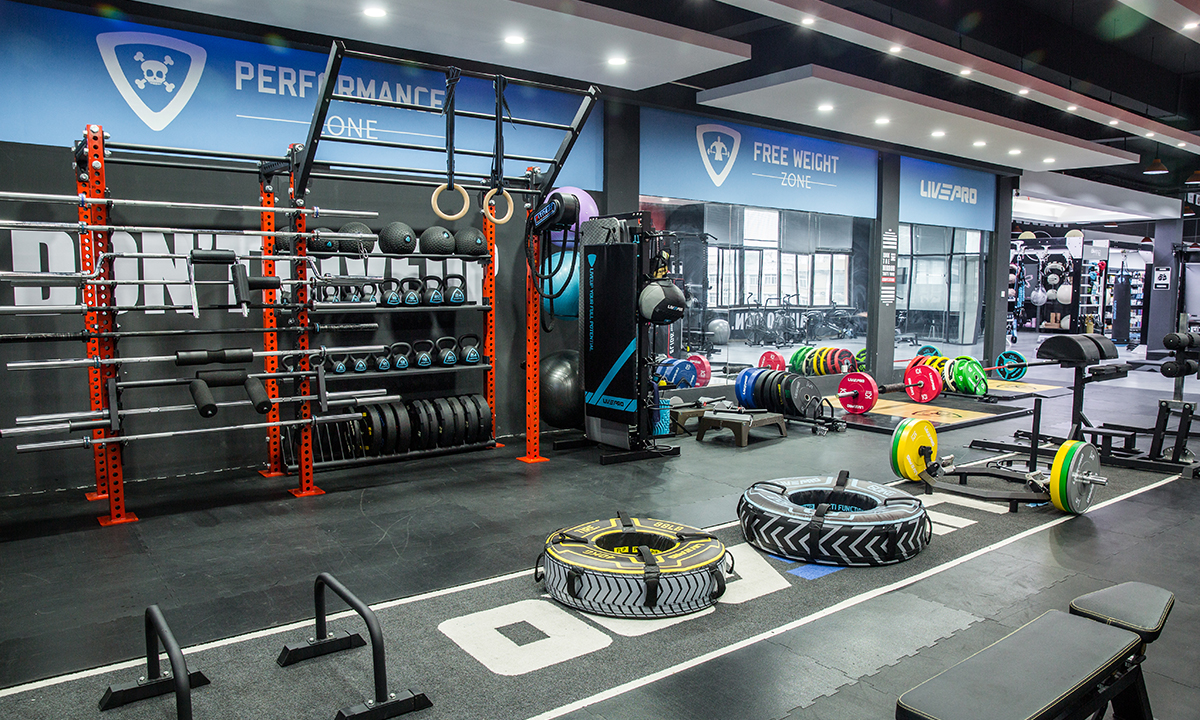
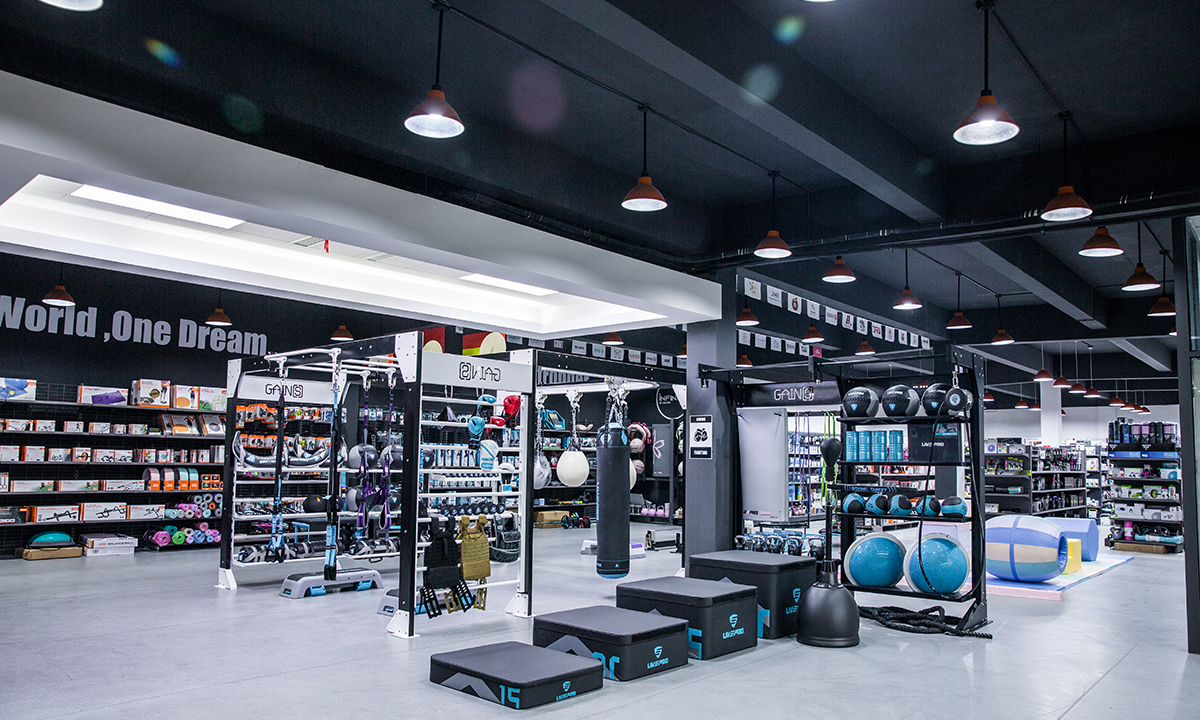
As a solution provider for all fitness and sports consumers, we apply professional knowledge into the program and product development, and we are constantly strengthening our ability to design and invent products.



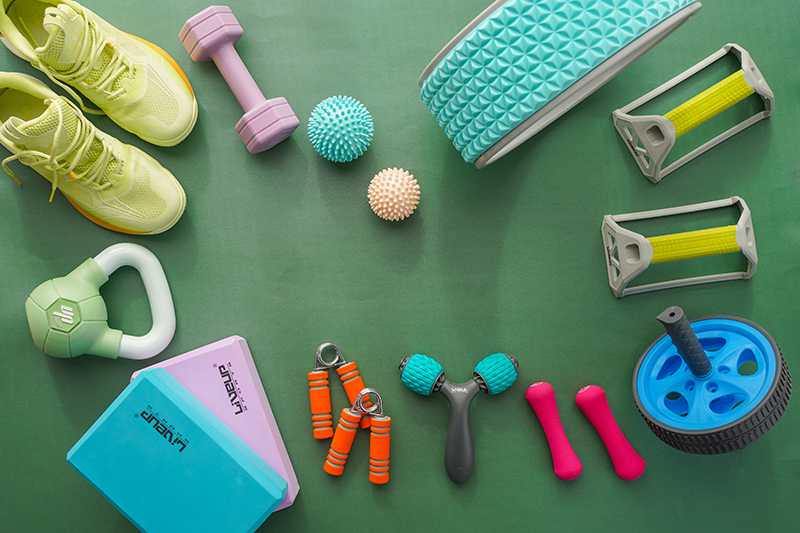
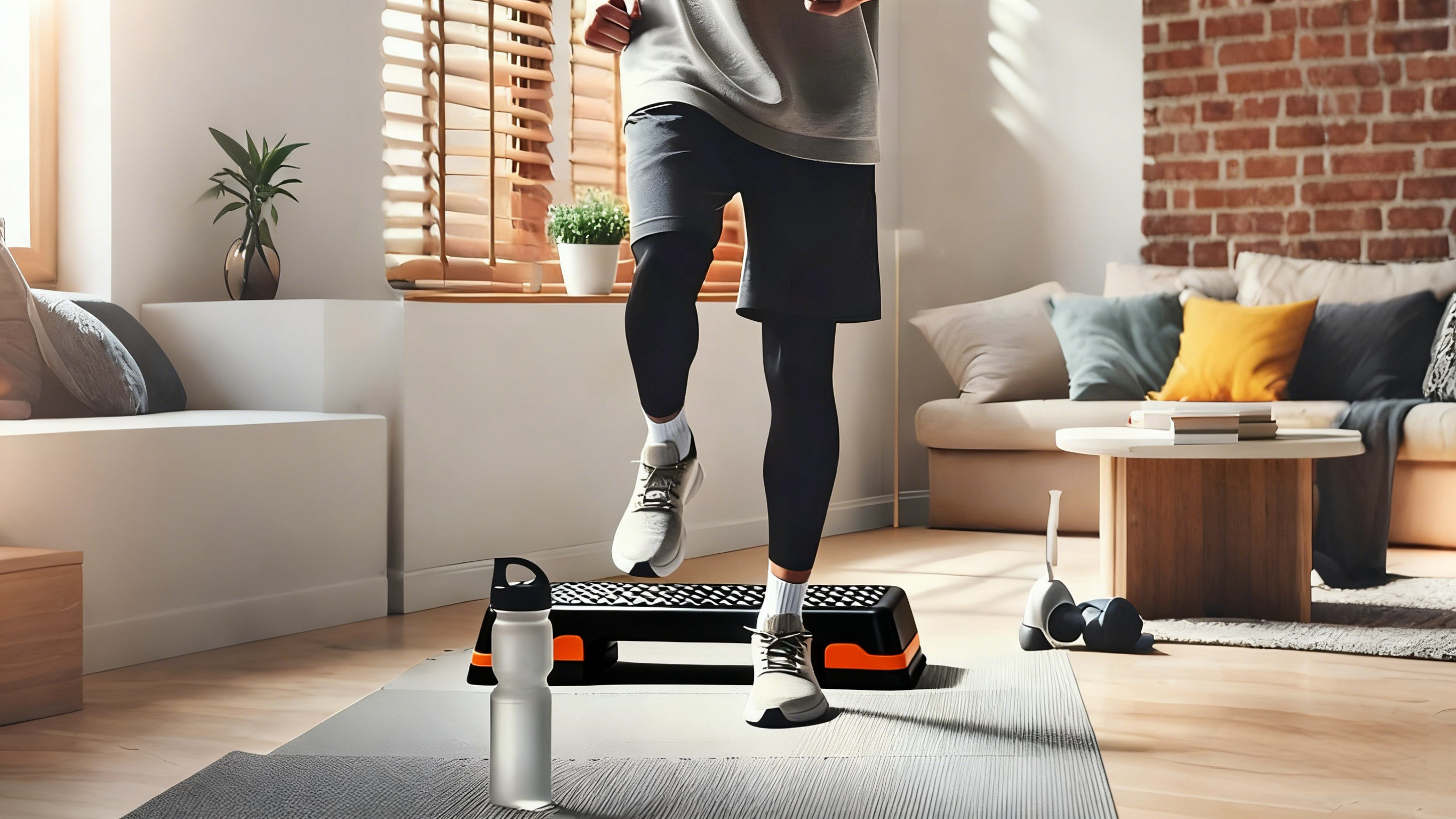
LIVEUP is a vibrant home fitness brand that brings high-quality sports products to consumers with professional vision and trendy taste. Live up your full potential.

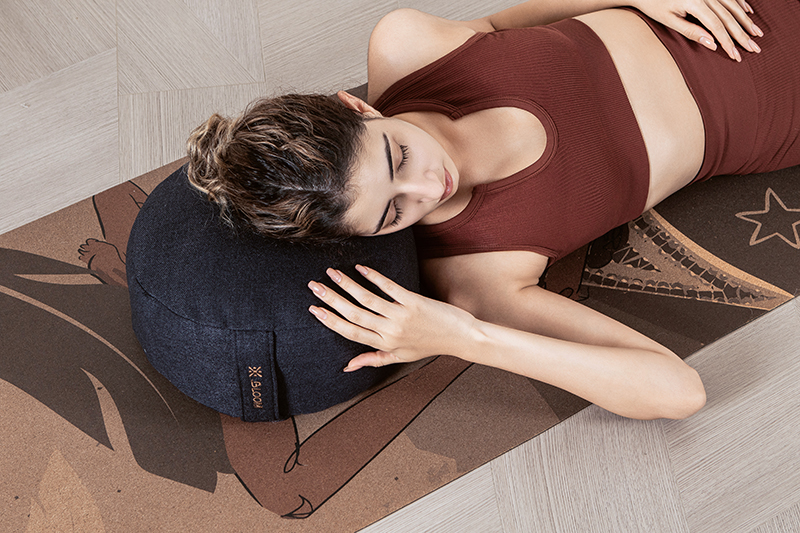
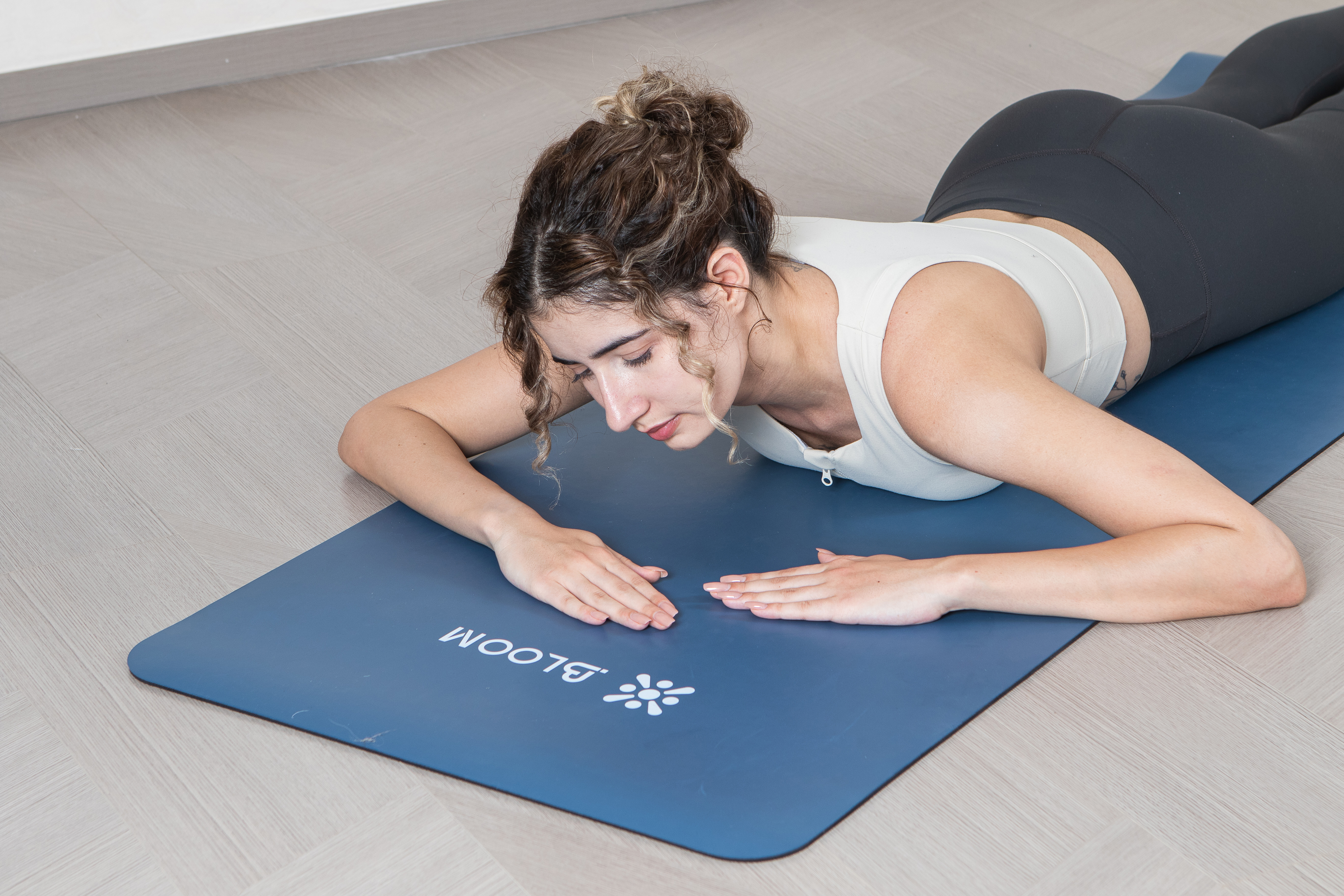
Bloom is a yoga brand specifically designed for women. We hope our users are as beautiful, healthy, and confident as flowers blooming.

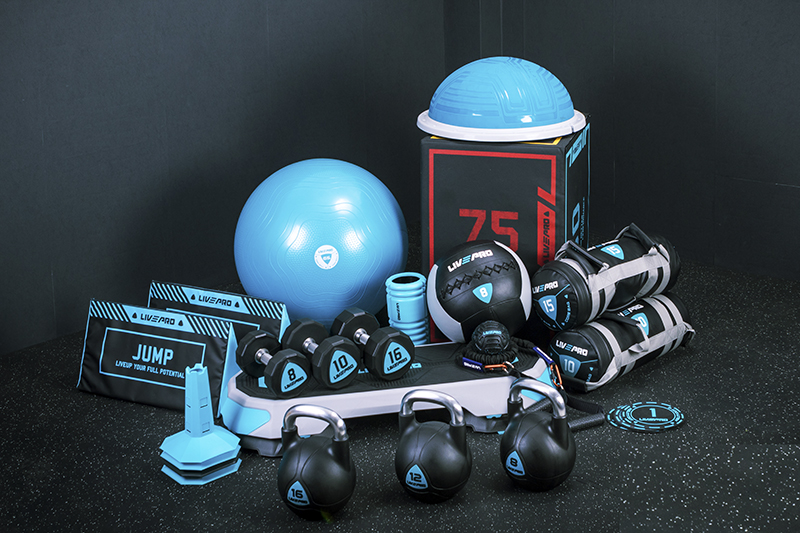
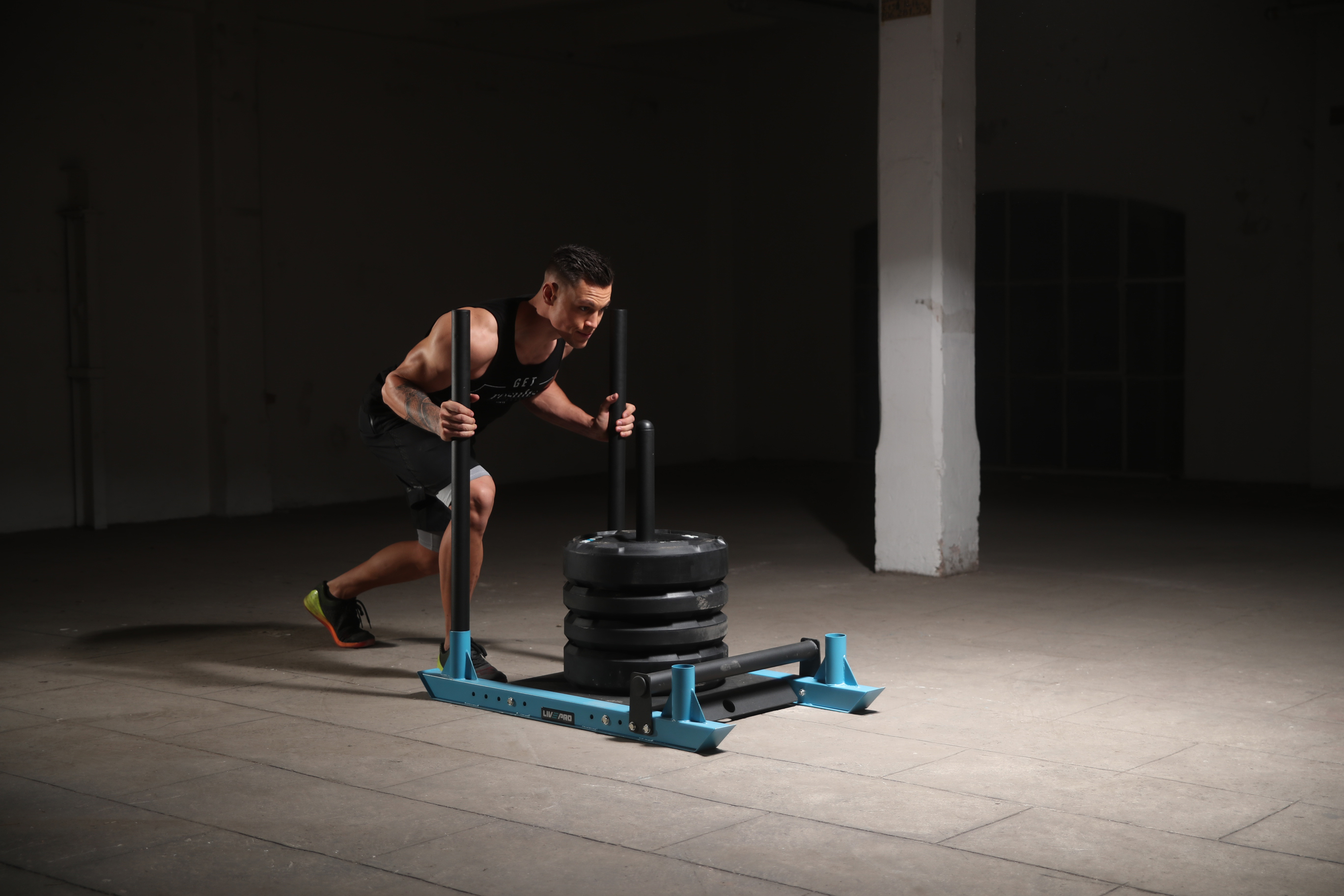
LIVEPRO is a premium functional training brand that provides system solutions for premium gyms, boutique studios, and professional sports teams.







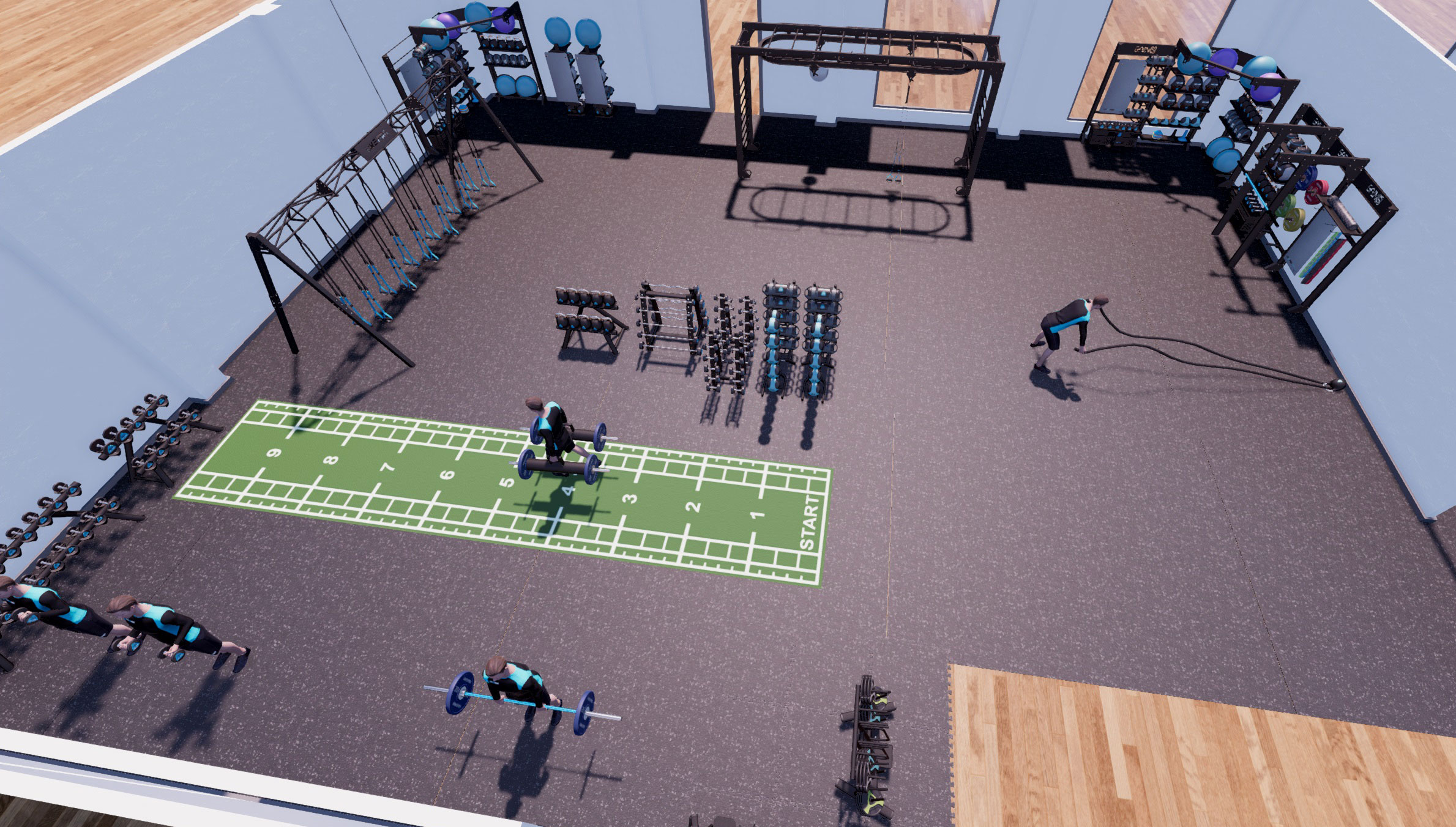
We are able to present our solutions to our customers very quickly and clearly in 3D thanks to the cooperation with a Gym designer software. It enables the equipment to be deposited directly at the appropriate position in the planned room and to be visibly displayed on a scale of 1:1. Any changes can be made with only a few steps, the article and its position, the colour of the equipment etc. The perfect tool for the optimal planning of your newly built studio.
Leading innovation Liveup is engaged in the development, design, manufacturing and marketing of sporting goods and fitness equipment for OEM/ODM and international distribution. Our fast business growth and continuous progress in new product development have made us one of the world's leading innovators of related products.
Liveup artwork engineers put ideas into practice. Using the latest software, design concepts become reality right here.
Liveup marketing & sales team understand your requests: product recommendations, reliable quality, durable products, competitive price, improved stock turns, real after sales service... etc.
Output capacity/Current factory audit status: Monthly capacities 300/40’ Containers. Yellow status by Wal-Mart ES Audit & CTPAT. Passed Audit by Carrefour, Tesco & Argos. Passed Quality/ES audit by ITS / SGS / BV / BSCI.